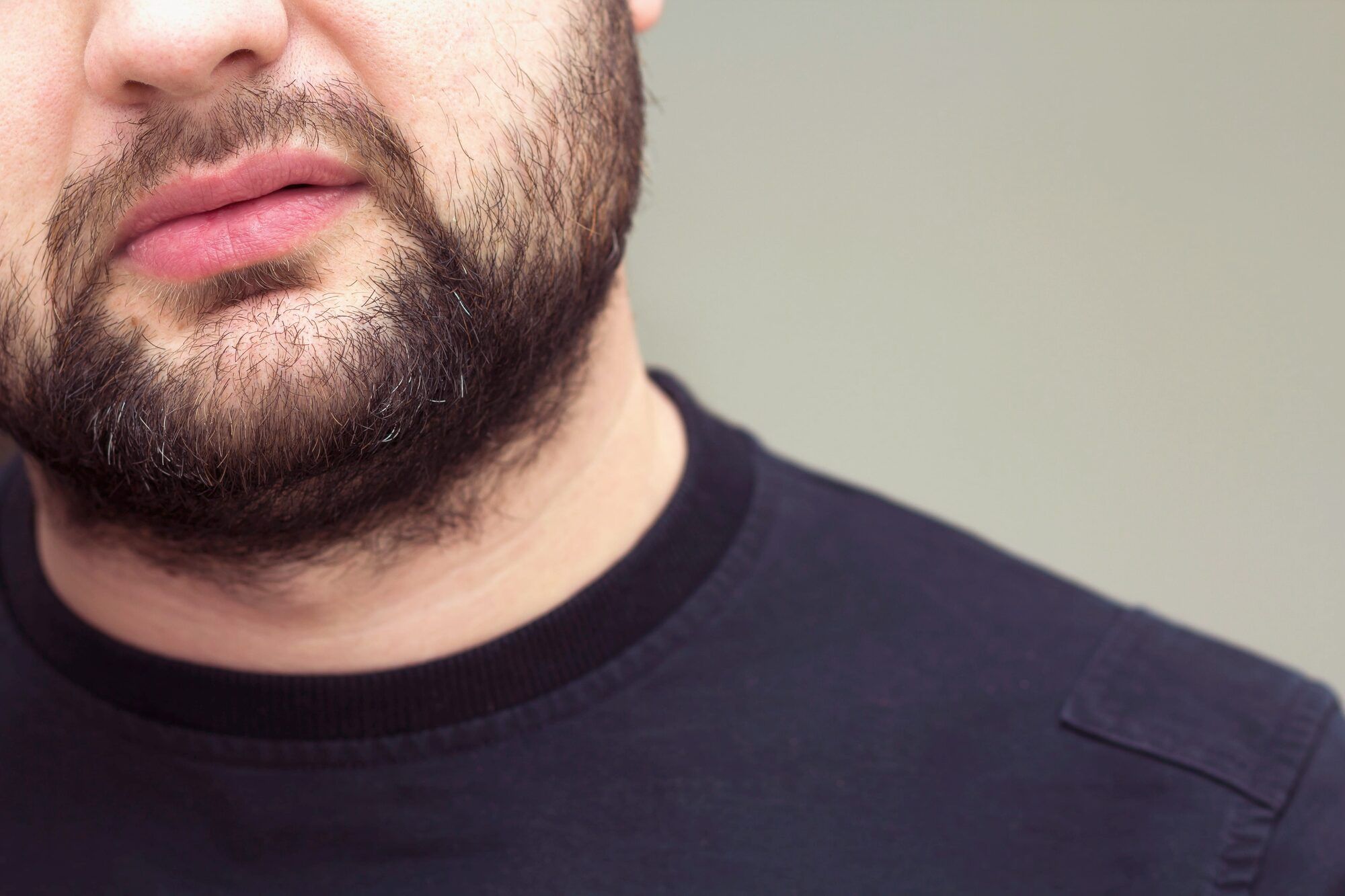
Beard & Moustache Transplant
Beard and moustache transplantation is applied for men with beard or moustache loss.
Beard and moustache transplantation is the transfer of a person’s own hair follicles to areas where the beard or moustache has never grown, has remained sparse or has gaps. The follicles are usually harvested from the nape; because the follicles in this area are resistant to shedding, they are permanent where they are implanted.
What determines naturalness in a beard transplant is the direction and angle of the hairs. On the cheeks, the chin and the moustache the hairs grow in different directions, and the implantation follows the direction of each area.

How is a beard transplant performed?
The procedure is carried out under local anaesthesia in the operating environment of our partner hospital.
First, the beard line is drawn together with you. Follicles are then harvested one by one from the nape using the FUE method and placed in the beard area at an angle that matches the natural growth direction of the hairs. Single-hair follicles are used mostly along the beard’s edge, while follicles with several hairs are used in areas that should appear denser.
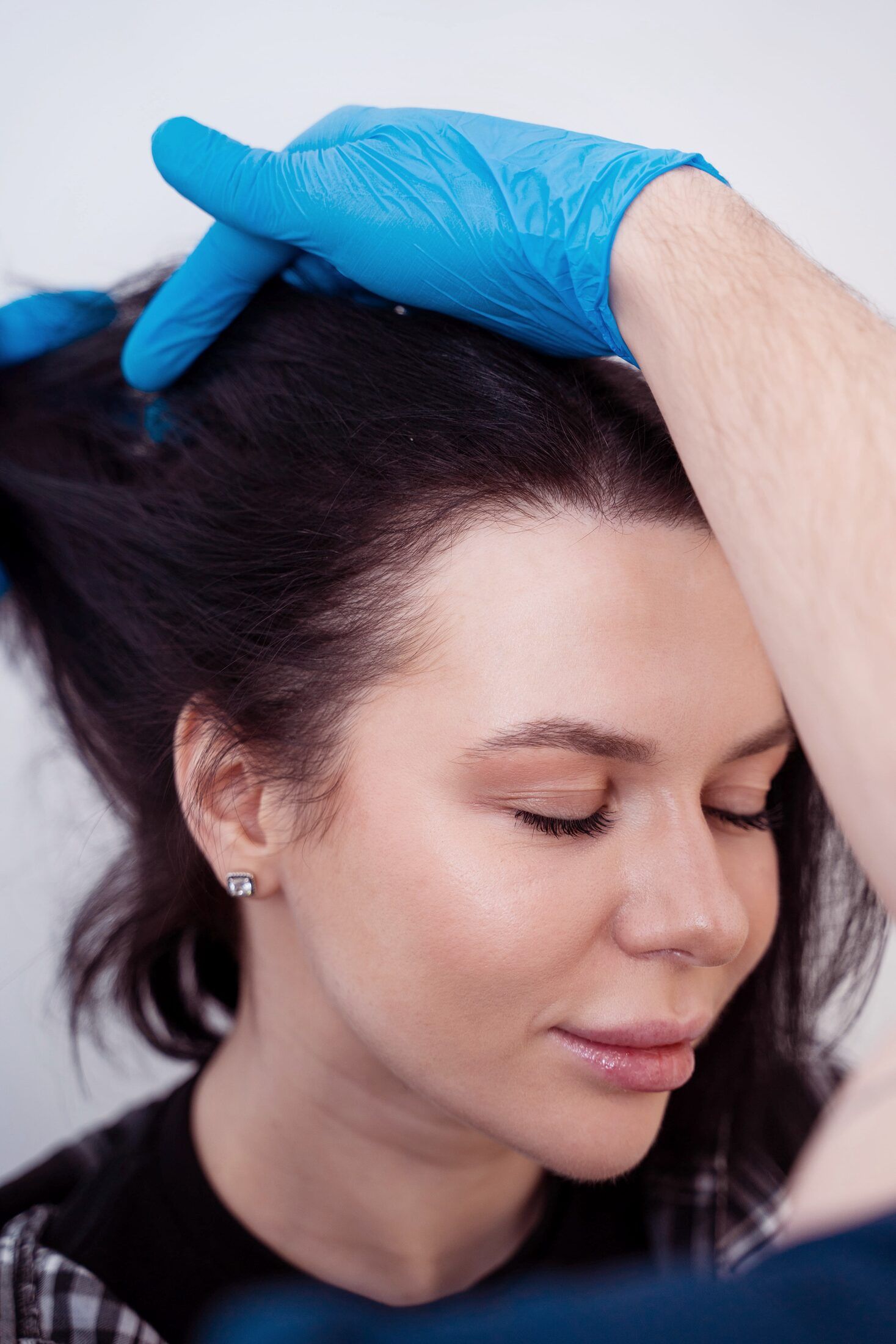
How does a transplanted beard behave?
The transplanted hairs grow like a beard; they can be cut, styled and shaved.
Your doctor will explain separately when you can shave for the first time and what to pay attention to afterwards.
Who is it for?
- Men whose beard or moustache has been sparse or uneven since birth
- Men with gaps in the beard caused by burns, surgery or scarring
- Men who want to define their beard line, sideburns or goatee
- Men with sufficient hair follicles at the nape
- Men without an active skin condition or infection on the face
Your doctor decides on suitability after an examination.
The process, step by step
Before the procedure
Assessment and design
The beard or moustache line is drawn together with you according to your facial features; the areas to be filled and the number of grafts needed are determined.
Preparation
Getting ready for the procedure
You tell the doctor about any medication you take; blood-thinning medication and alcohol are stopped for the period the doctor specifies.
Procedure day
Harvesting and implantation
Local anaesthesia is applied. Follicles are usually harvested from the nape with FUE and implanted one by one at an angle that matches the natural growth direction of the beard.
Afterwards
Care and follow-up
You are told when and how to wash your face, shave and care for the area; progress is followed through check-ups.
Recovery timeline
First days
Mild redness, swelling and small crusts may appear in the recipient area.
First weeks
Some of the transplanted hairs may shed temporarily; the follicles stay in place.
Within a few months
New hairs begin to grow; your doctor tells you when you can shave for the first time.
Around one year
The beard approaches its final density and natural appearance.
Timings vary from person to person; your doctor will give you your own timeline.
Frequently asked
All questionsWhen is beard and moustache transplantation performed?
Mostly for people with little facial hair, and also for patchy areas, scars, burns, or hair loss caused by conditions such as alopecia areata.
When can I wash my face after a beard transplant?
With the doctor’s approval, after the 3rd day. Scabs may take up to 10 days to clear.
How should I wash my face after a beard transplant?
Just like the first wash after a hair transplant: gently, using the shampoo and creams recommended by the doctor.
Ask about your own case.
Send photos of your hair on WhatsApp and we will talk through the method that suits you.
Other services
- FUE Hair Transplant Follicles are harvested one by one from the nape with a micromotor and transplanted to thinning areas, without incisions or stitches.
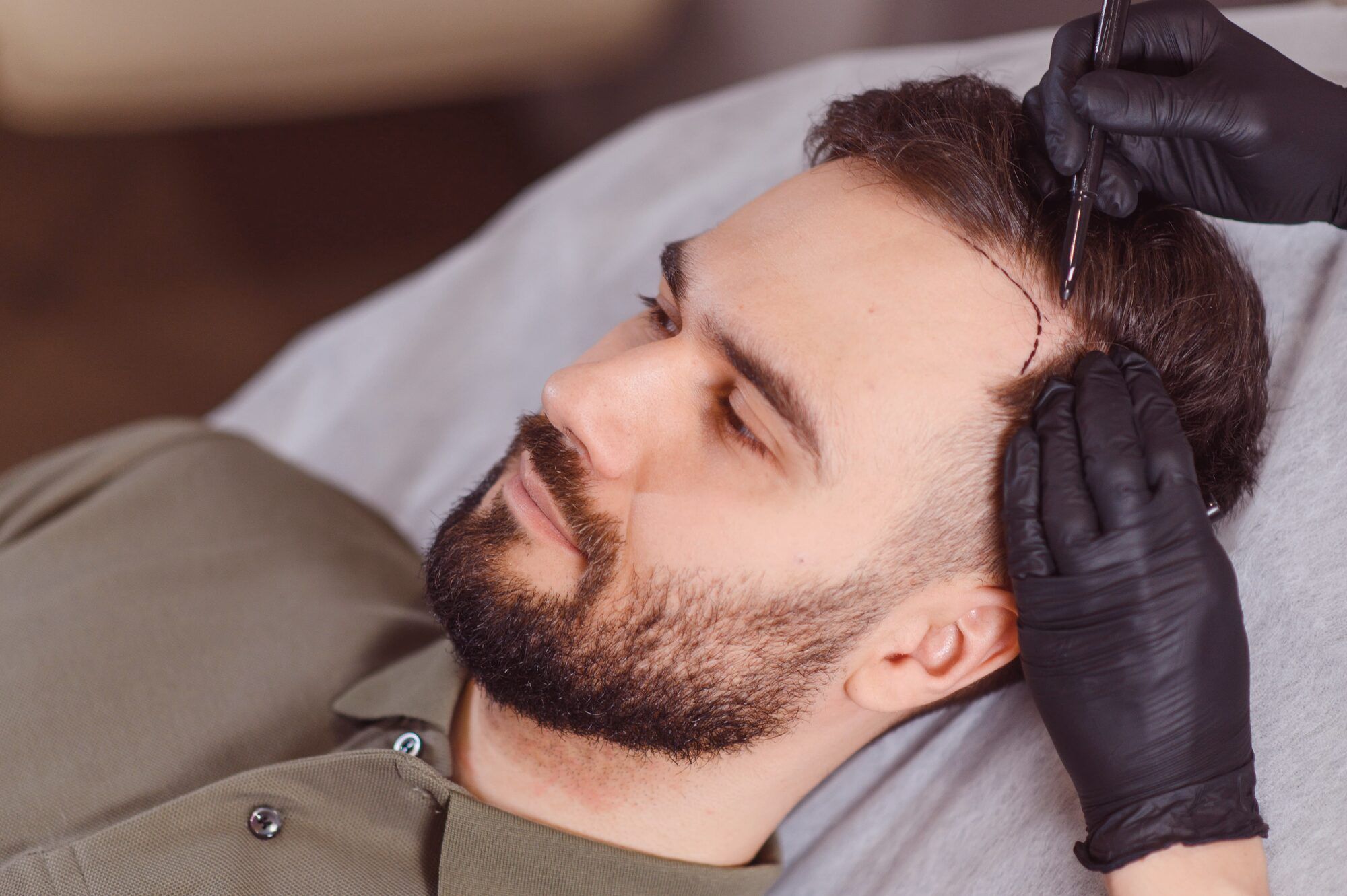
- Sapphire FUE Natural results obtained with FUE are improved further by using a special sapphire-tipped crystal channel opener.
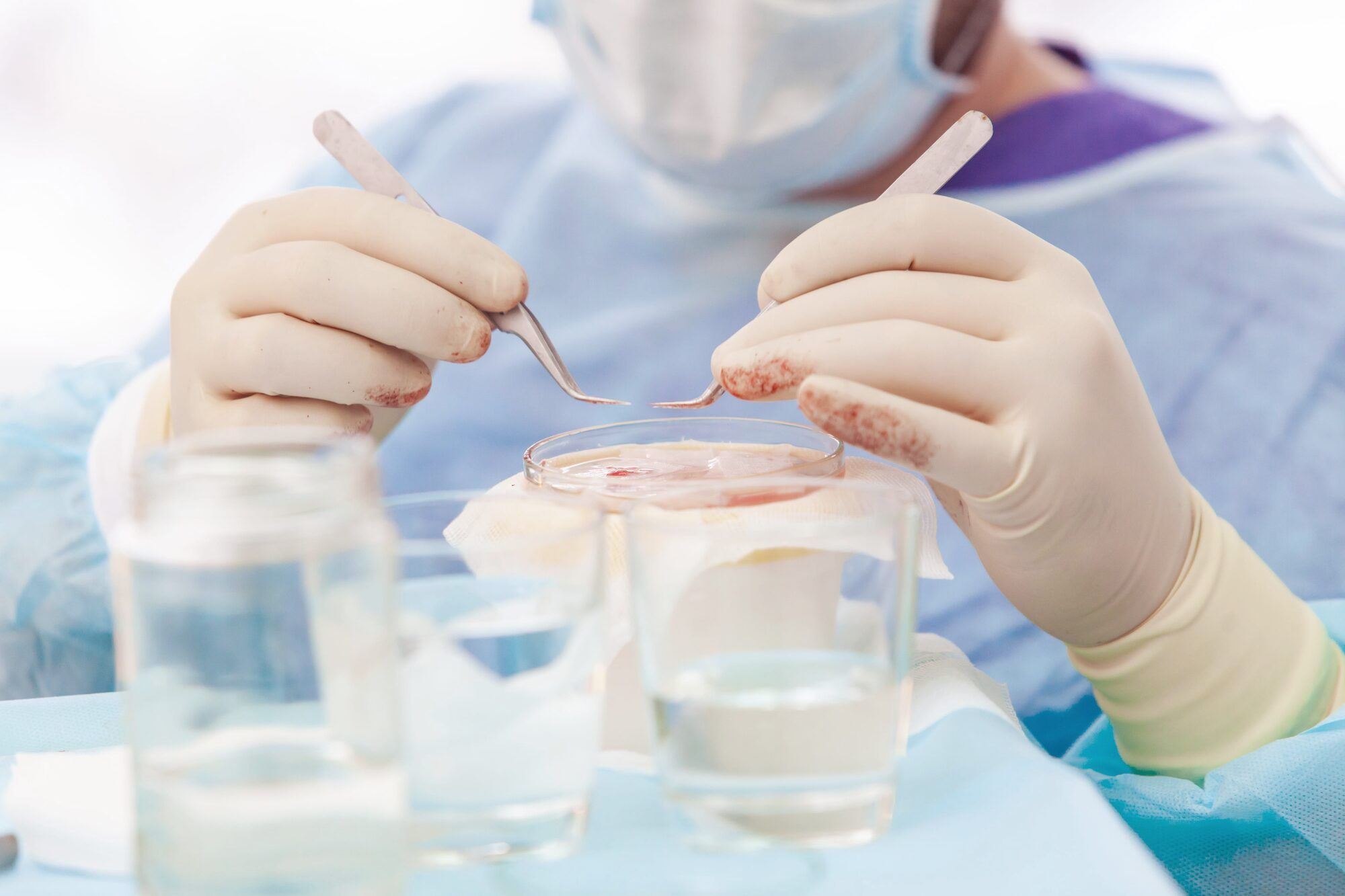
- DHI Hair Transplant Known as an advanced version of classic FUE. Follicles are implanted right after harvesting with special pens, without opening channels first.
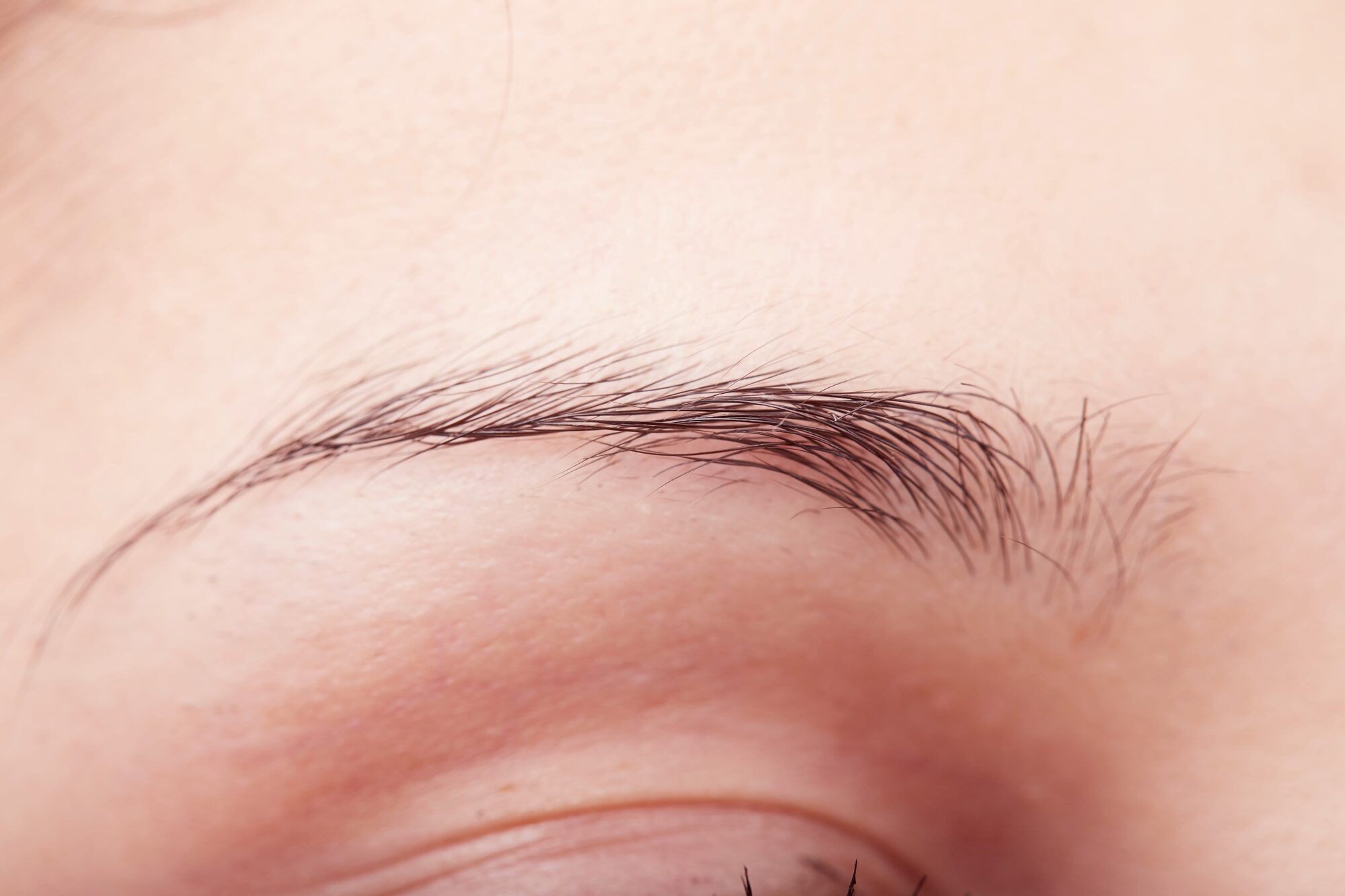
- Eyebrow Transplant Eyebrow transplantation moves follicles from a donor area to lost, sparse or thin eyebrows.
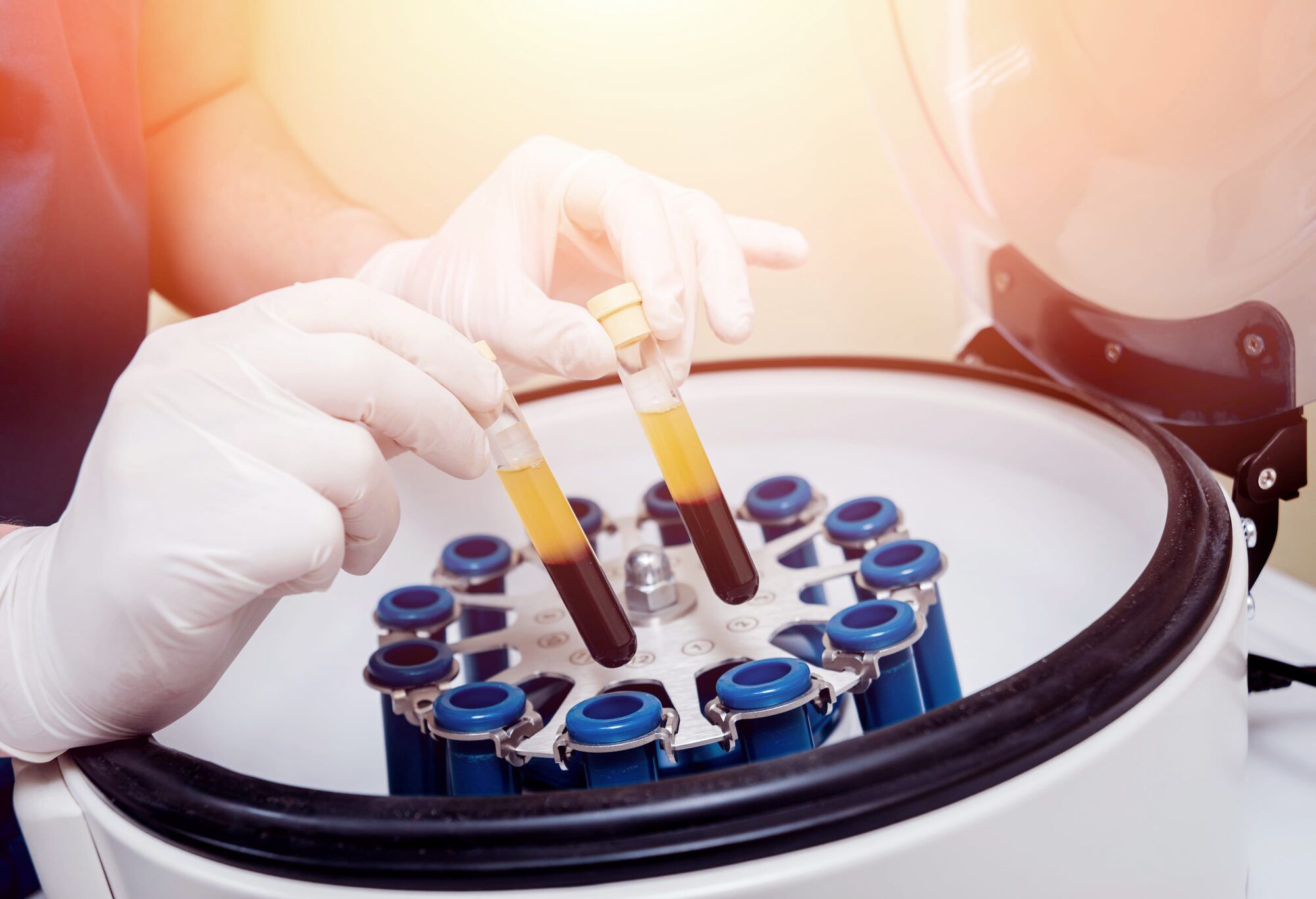
- PRP Hair Treatment PRP is a small amount of the patient’s own blood, separated by centrifuge and enriched in platelets.
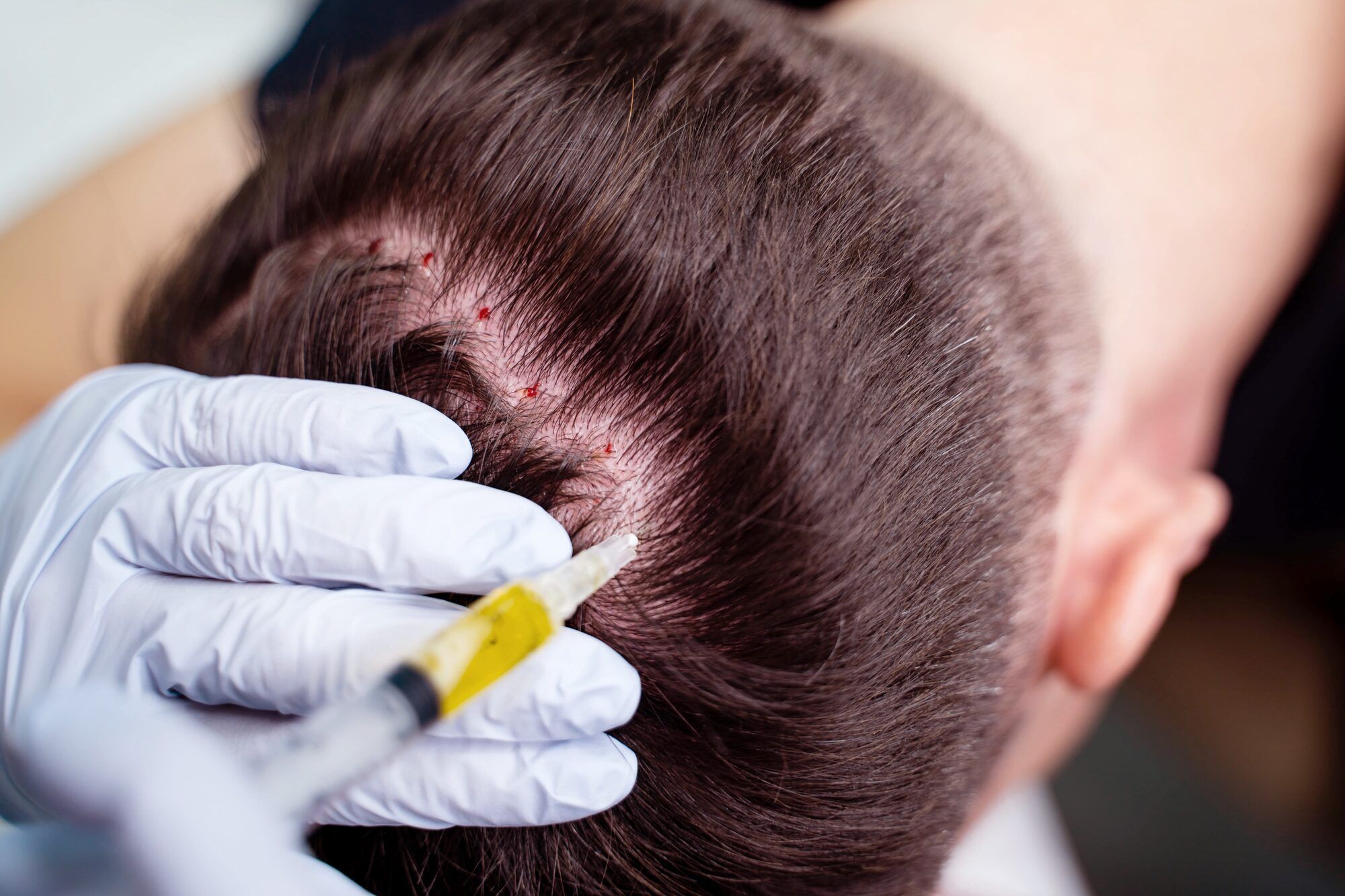
- Hair Mesotherapy Mesotherapy is the intradermal injection of pharmacological agents into the scalp.
Let us call you.
Leave your details and our team will get back to you at a time that suits you.