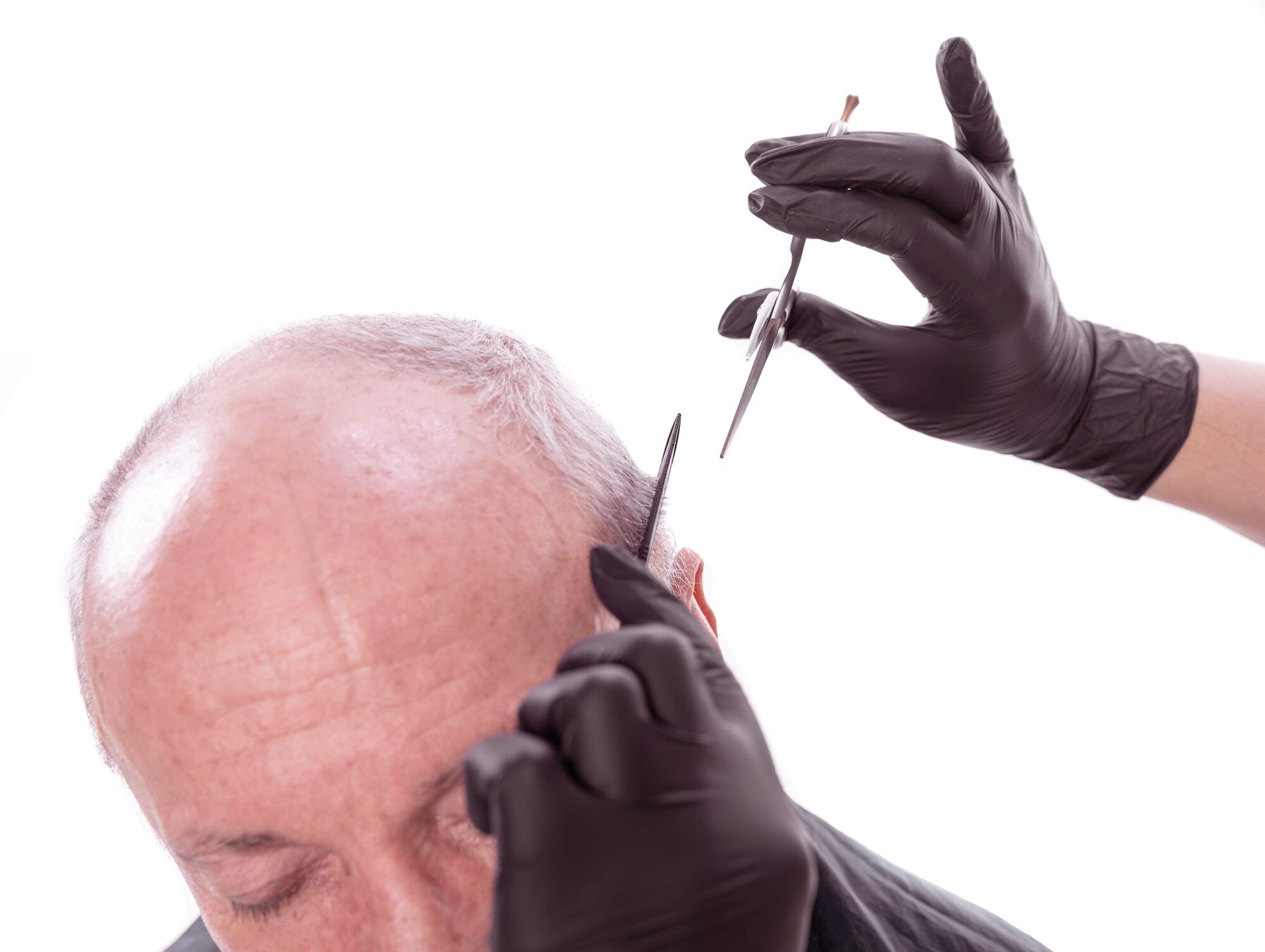
DHI Hair Transplant
Known as an advanced version of classic FUE. Follicles are implanted right after harvesting with special pens, without opening channels first.
DHI (Direct Hair Implantation) is a technique that changes the implantation stage of the FUE method.
Hair follicles are still harvested one by one with a micromotor; however, no channels are opened in the recipient area beforehand. The follicles are loaded into a special instrument called the Choi implanter pen and released into place at the same moment the tip of the pen enters the skin.
Because opening the channel and placing the follicle happen in a single movement, the follicles spend less time outside the body. As the angle and depth of the pen can be adjusted separately for each follicle, precise implantation is possible, particularly in areas such as the hairline where naturalness is most visible.

How is a DHI hair transplant performed?
The procedure is carried out under local anaesthesia in the operating environment of our partner hospital.
First, the follicles are harvested from the donor area. Each follicle is then placed into the Choi implanter pen and released into the recipient area at the angle and direction the doctor has determined. Because implantation can be done between existing hairs, shaving the recipient area may not be necessary in some cases.
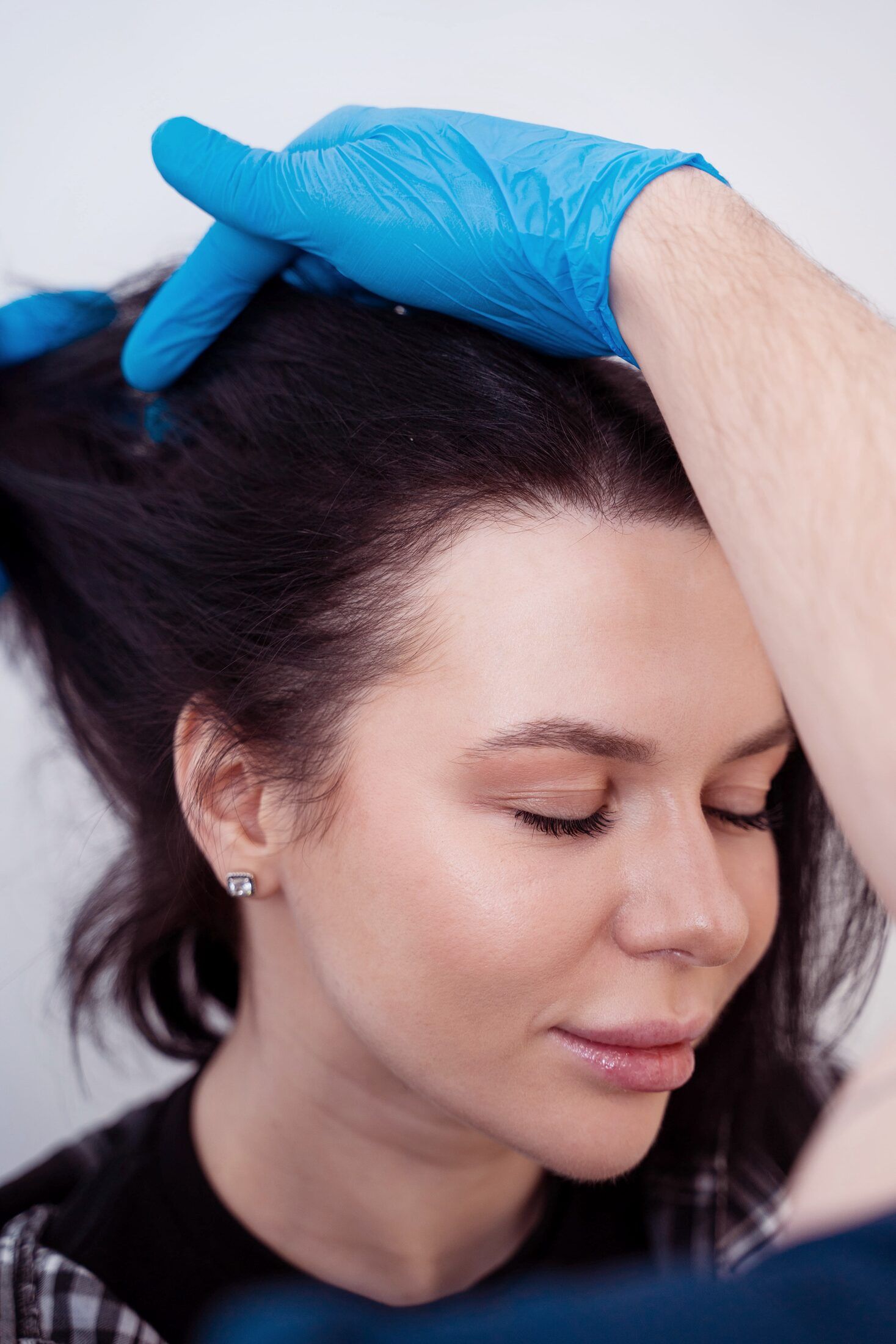
Who is DHI more suitable for?
Because each follicle is placed individually and with care, DHI can take longer than classic FUE.
For this reason it is generally preferred for limited areas, the hairline and cases where added density is needed. For larger areas, your doctor decides which method is suitable, or whether the two methods should be used together.
Who is it for?
- People with thinning along the hairline or in a limited area
- People who need added density between their existing hair
- People who prefer not to shave the recipient area completely (where the doctor considers it suitable)
- People with sufficient, strong hair follicles at the nape
- People whose general health is suitable for a procedure under local anaesthesia
Your doctor decides on suitability after an examination.
The process, step by step
Before the procedure
Assessment and planning
The thinning area and the donor area are assessed. The hairline and the areas to be transplanted are decided together.
Preparation
Getting ready for the procedure
You tell the doctor about any medication you take; blood-thinning medication and alcohol are stopped for the period the doctor specifies.
Procedure day
Harvesting and implantation with the pen
Local anaesthesia is applied. Follicles are harvested with a micromotor, loaded into the Choi implanter pen and placed directly into the recipient area without opening channels first.
Afterwards
Washing and follow-up
The washing and care steps are explained to you; your progress is followed through check-up appointments.
Recovery timeline
First days
Mild redness and small crusts may appear in the recipient area.
First weeks
Some of the transplanted hairs may shed temporarily; the follicles stay in place.
Within a few months
New hairs begin to grow and thicken over time.
Around one year
The hair approaches its final density.
Timings vary from person to person; your doctor will give you your own timeline.
DHI or FUE?
| DHI | FUE (sapphire blade) | |
|---|---|---|
| Harvesting the follicle | One by one with a micromotor | One by one with a micromotor |
| Implantation | Directly with the Choi implanter pen, no channels opened first | Channels are opened first, then the follicles are placed |
| Suitable areas | Hairline, limited areas, adding density | Large areas and high graft counts |
| Shaving | May not be needed in the recipient area | Usually needed |
Frequently asked
All questionsHow long does hair transplantation take?
It takes 6–10 hours depending on the number of grafts to be implanted; more grafts take longer, fewer grafts take less time.
Does the patient feel pain during the procedure?
The area is numbed with local anaesthesia, so the patient does not feel pain.
Does the donor area get thinner?
No. Only one in ten grafts is taken from that area, so it does not thin out.
How many grafts are harvested per operation?
4,000–6,000 grafts can easily be harvested, and more if the donor area is dense.
How natural is the result?
Hair is implanted in the direction of your original hair, so the result looks natural.
Is there pain after the operation?
A simple painkiller on the first night is enough. No pain is felt in the following days.
When does the transplanted hair start to grow?
Most transplanted hair falls out within 30 days (shock loss). It starts growing from the third month, and by the end of the first year all hair has grown.
Will people notice I had a hair transplant?
It is noticeable for the first 3 days. Hair is washed for 7 days from day 3, and by day 10 it simply looks like a short haircut.
When can I go back to work?
You can return the next day, but we recommend resting on the first day after the operation.
Will my hair be dense enough?
We harvest and implant as many grafts as you need from between and above the ears, so it will be dense enough.
Ask about your own case.
Send photos of your hair on WhatsApp and we will talk through the method that suits you.
Other services
- FUE Hair Transplant Follicles are harvested one by one from the nape with a micromotor and transplanted to thinning areas, without incisions or stitches.
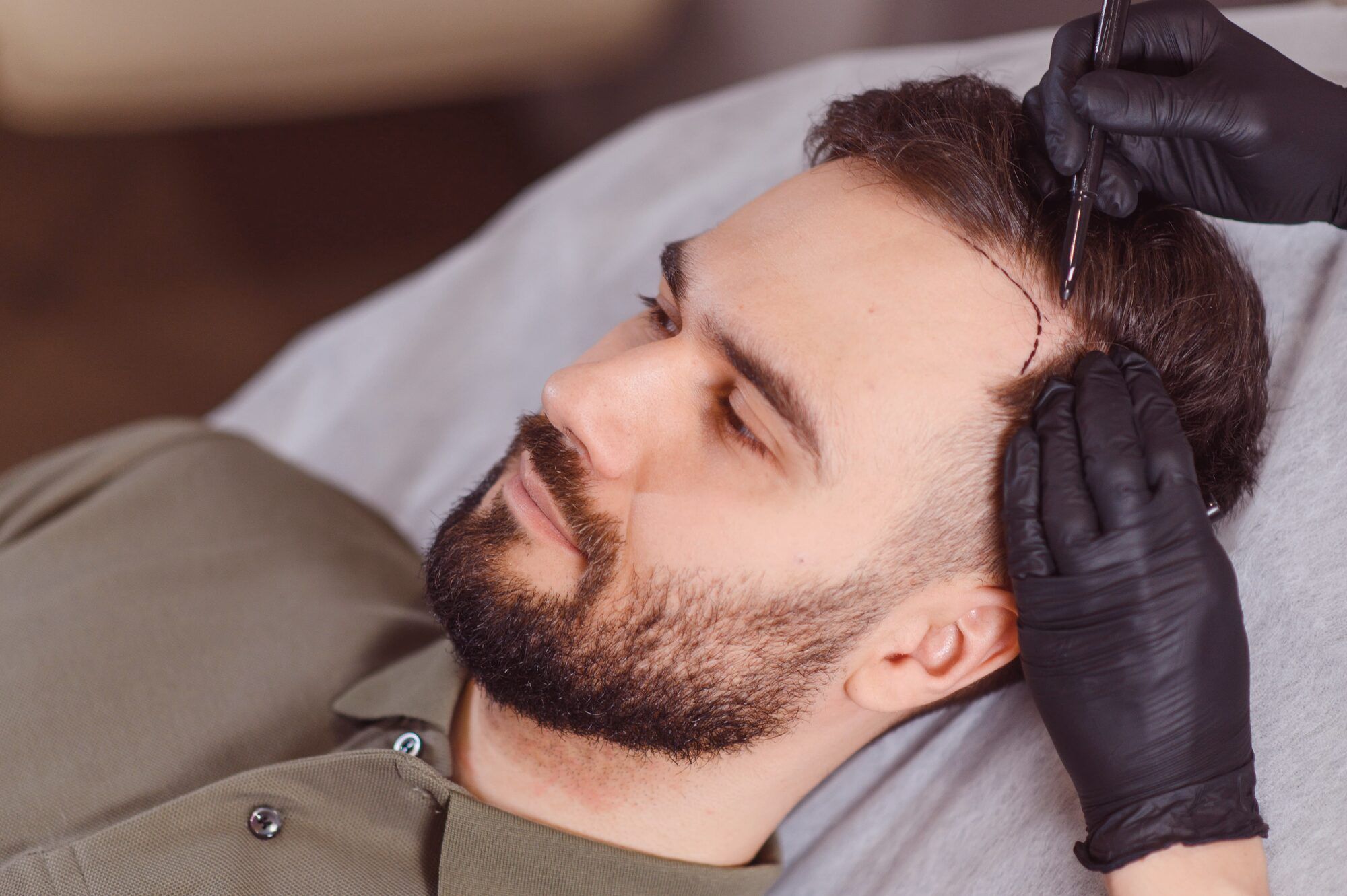
- Sapphire FUE Natural results obtained with FUE are improved further by using a special sapphire-tipped crystal channel opener.
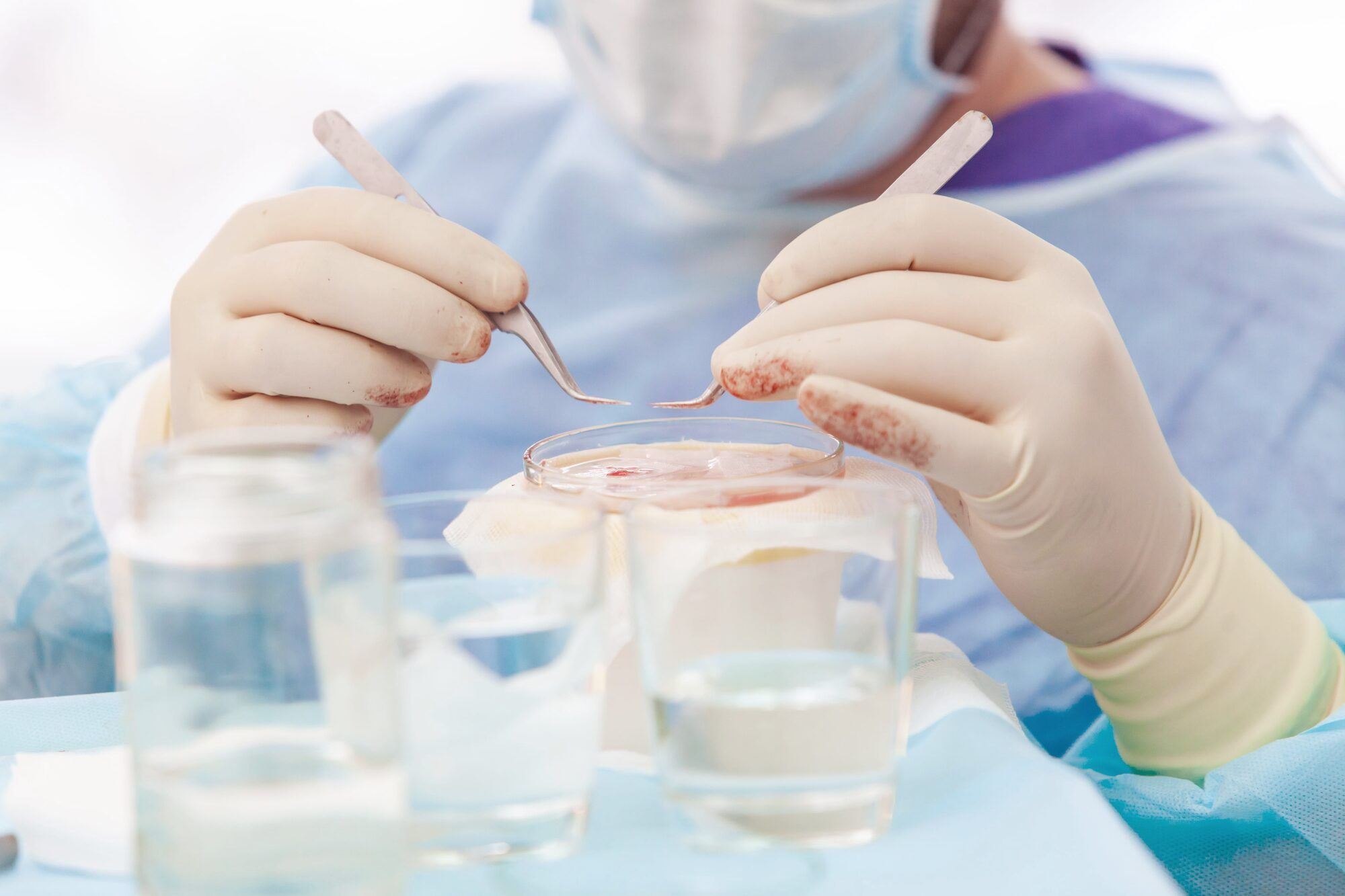
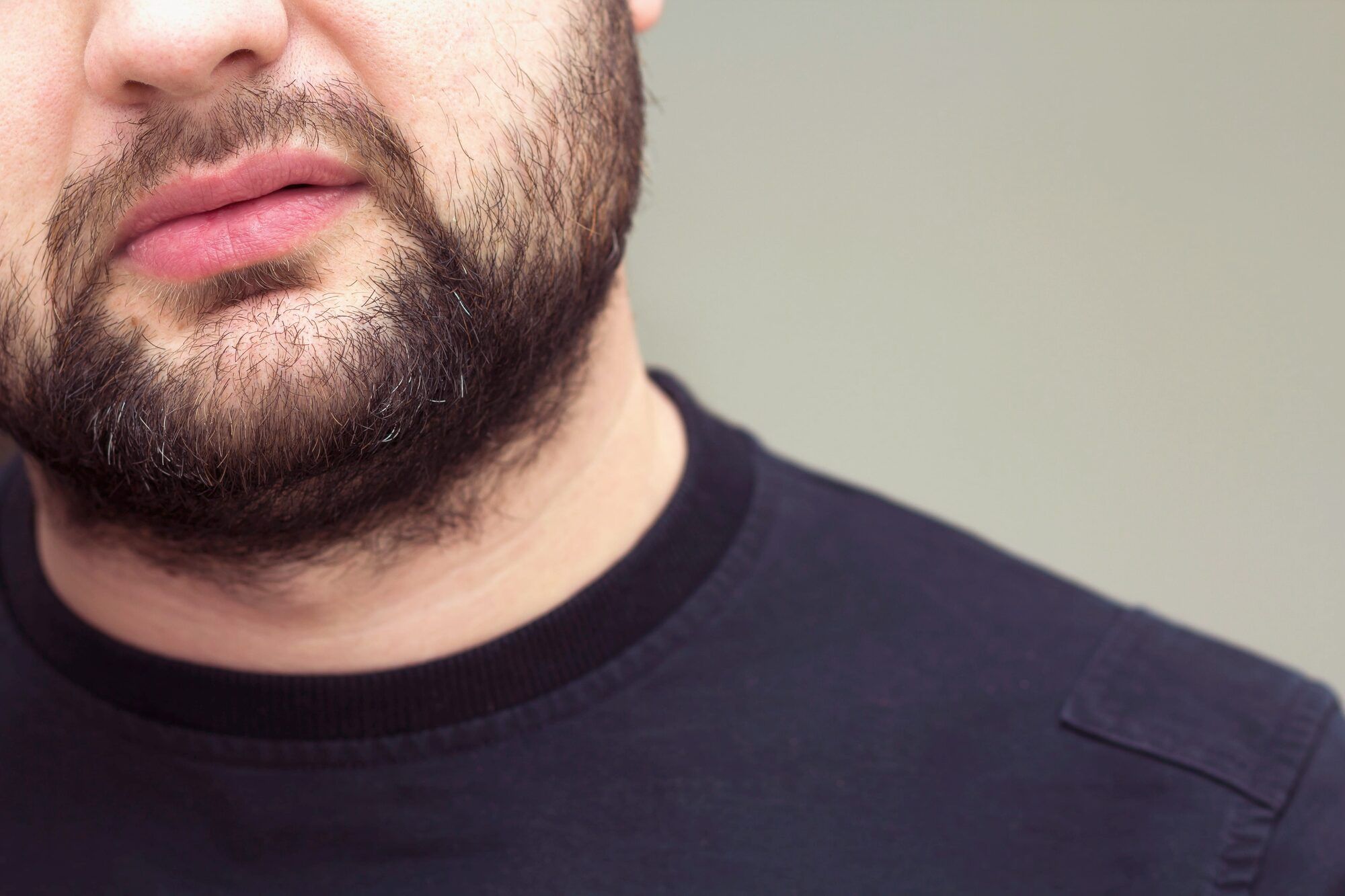
- Beard & Moustache Transplant Beard and moustache transplantation is applied for men with beard or moustache loss.
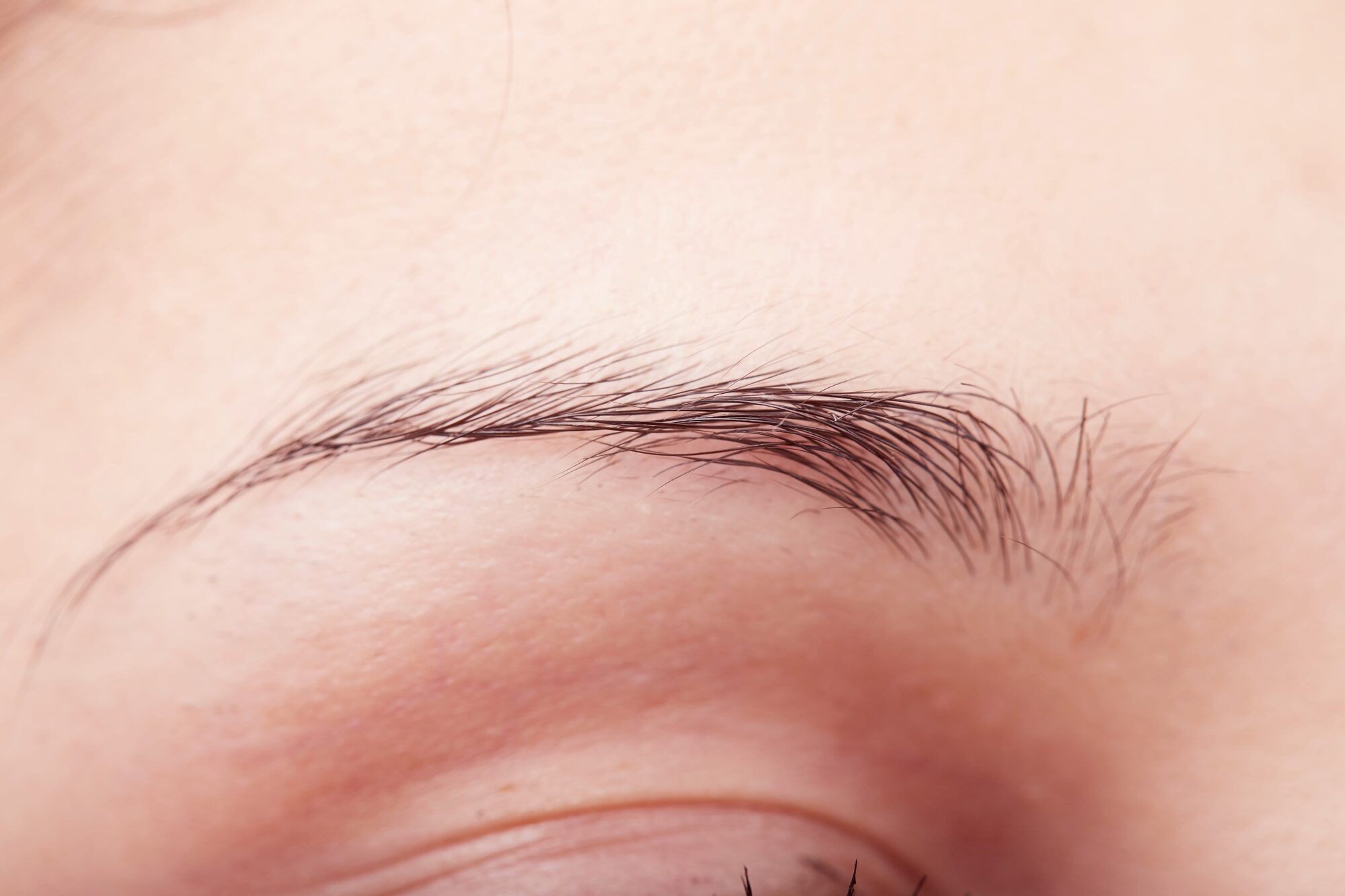
- Eyebrow Transplant Eyebrow transplantation moves follicles from a donor area to lost, sparse or thin eyebrows.
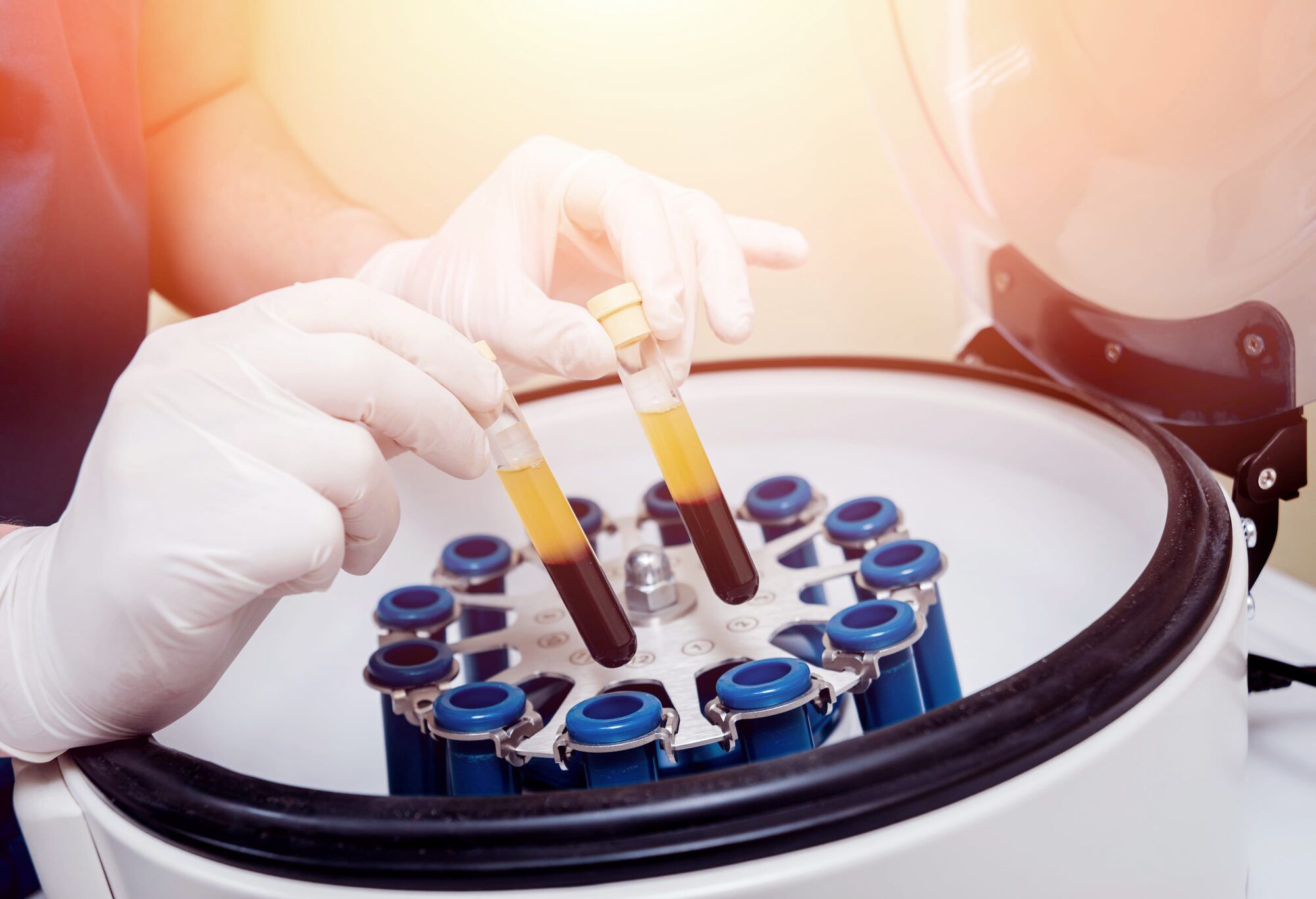
- PRP Hair Treatment PRP is a small amount of the patient’s own blood, separated by centrifuge and enriched in platelets.
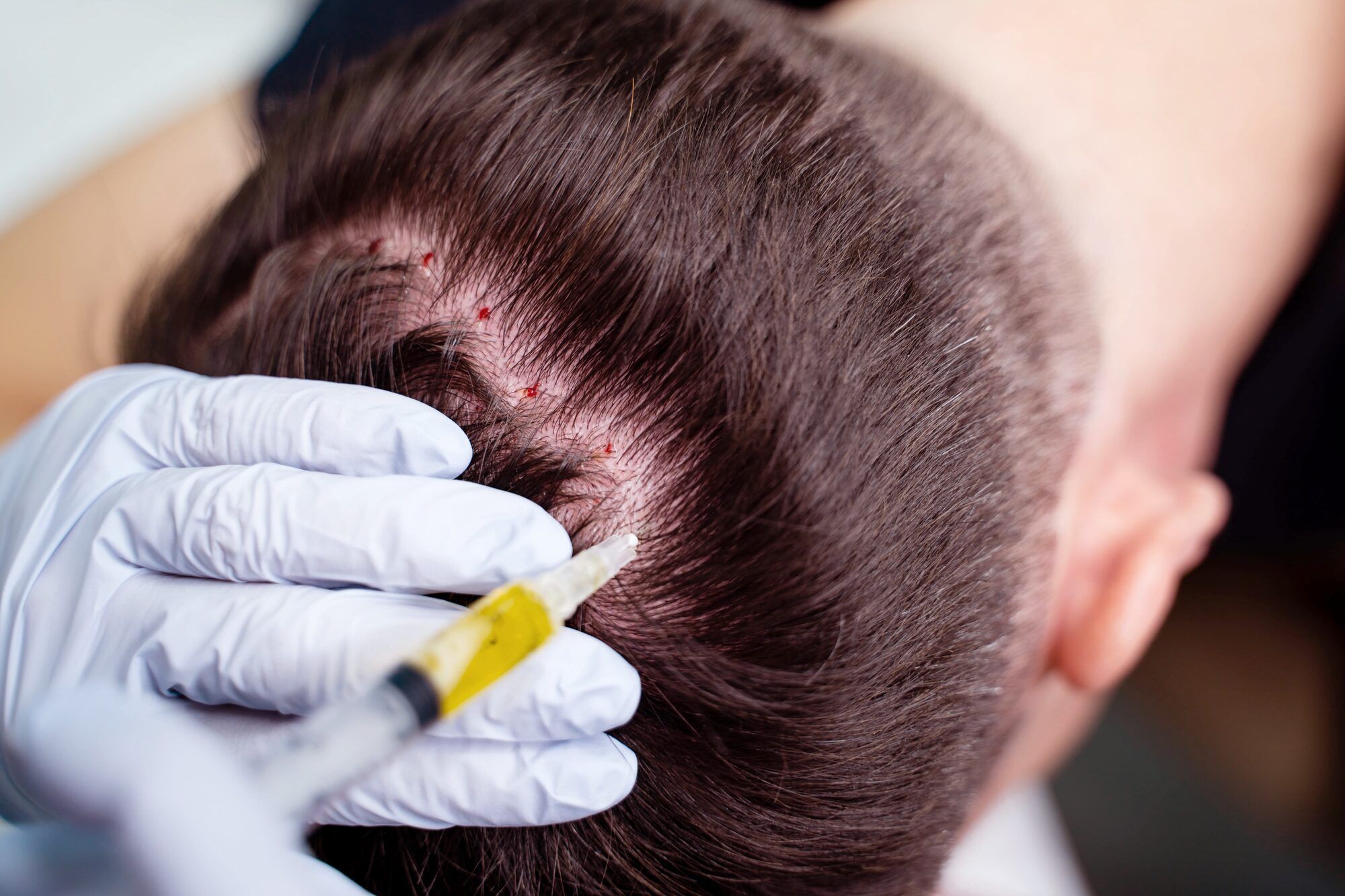
- Hair Mesotherapy Mesotherapy is the intradermal injection of pharmacological agents into the scalp.
Let us call you.
Leave your details and our team will get back to you at a time that suits you.