PRP Hair Treatment
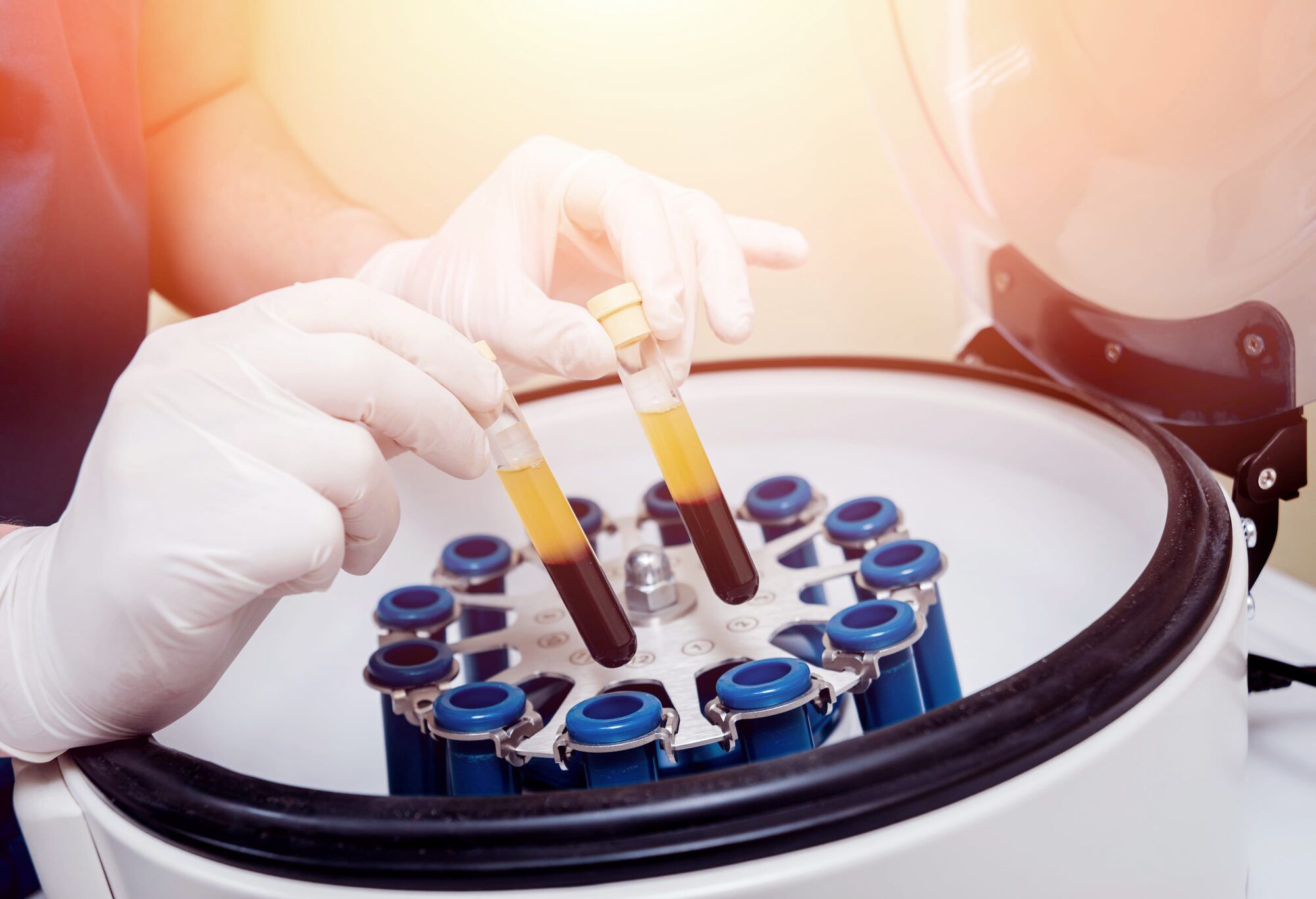
PRP is a small amount of the patient’s own blood, separated by centrifuge and enriched in platelets.
PRP (platelet-rich plasma) is a treatment obtained from the person’s own blood.
A small amount of blood taken from your arm is separated into its components by centrifuge, and the platelet-enriched plasma is applied to the scalp.
PRP applied during and after a hair transplant aims to speed up the recovery process and help you reach the intended result sooner.

How is PRP applied?
The treatment consists of a few steps.
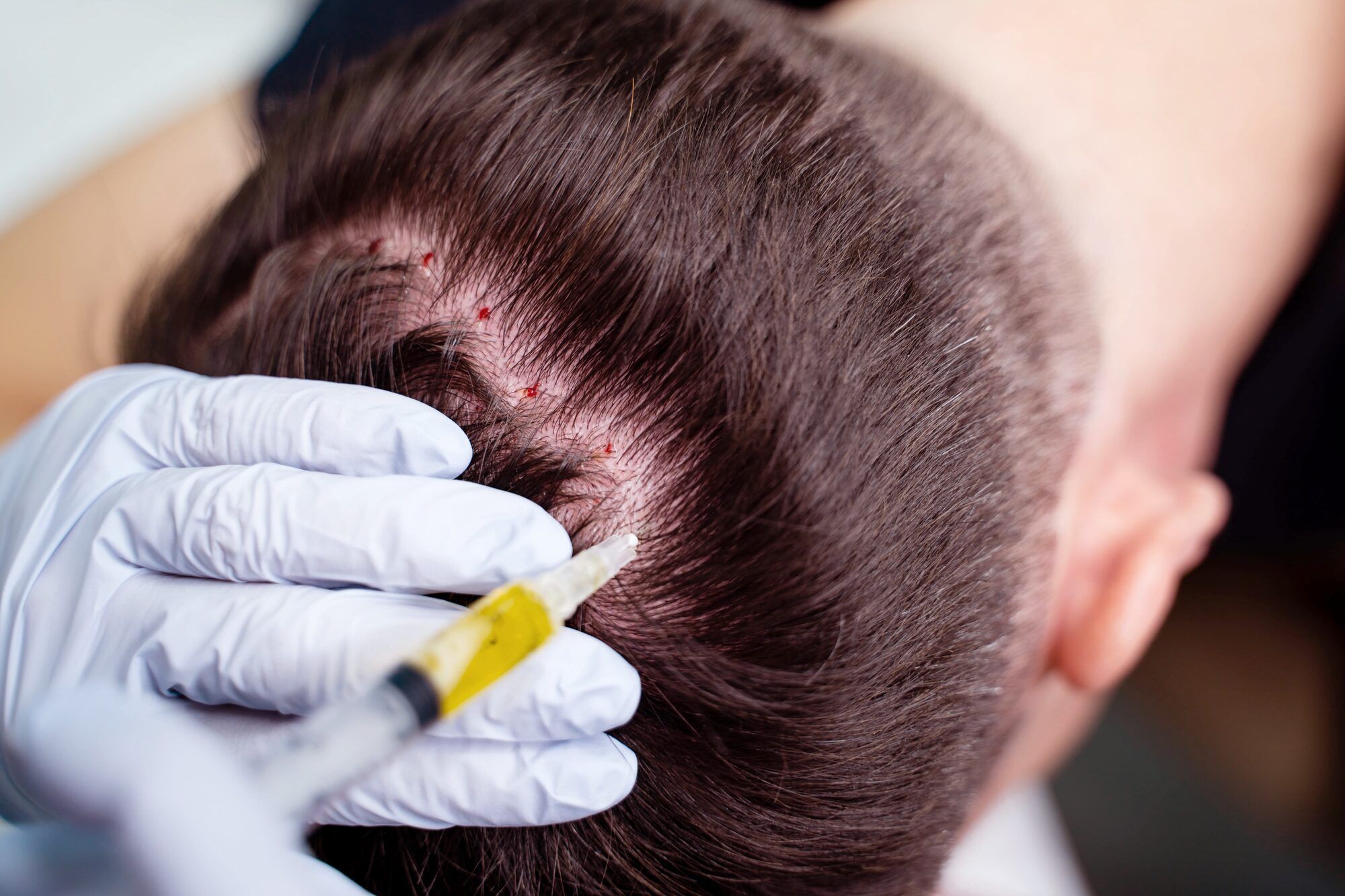
First, blood is taken from your arm and placed in special tubes. The tubes are spun in a centrifuge so that the blood separates into its components; the platelet-rich part is separated off and prepared. This plasma is then applied with fine needles to the thinning areas of the scalp.
Because it is prepared from the person’s own blood, no foreign substance is used in PRP.
PRP on its own, or with a hair transplant?
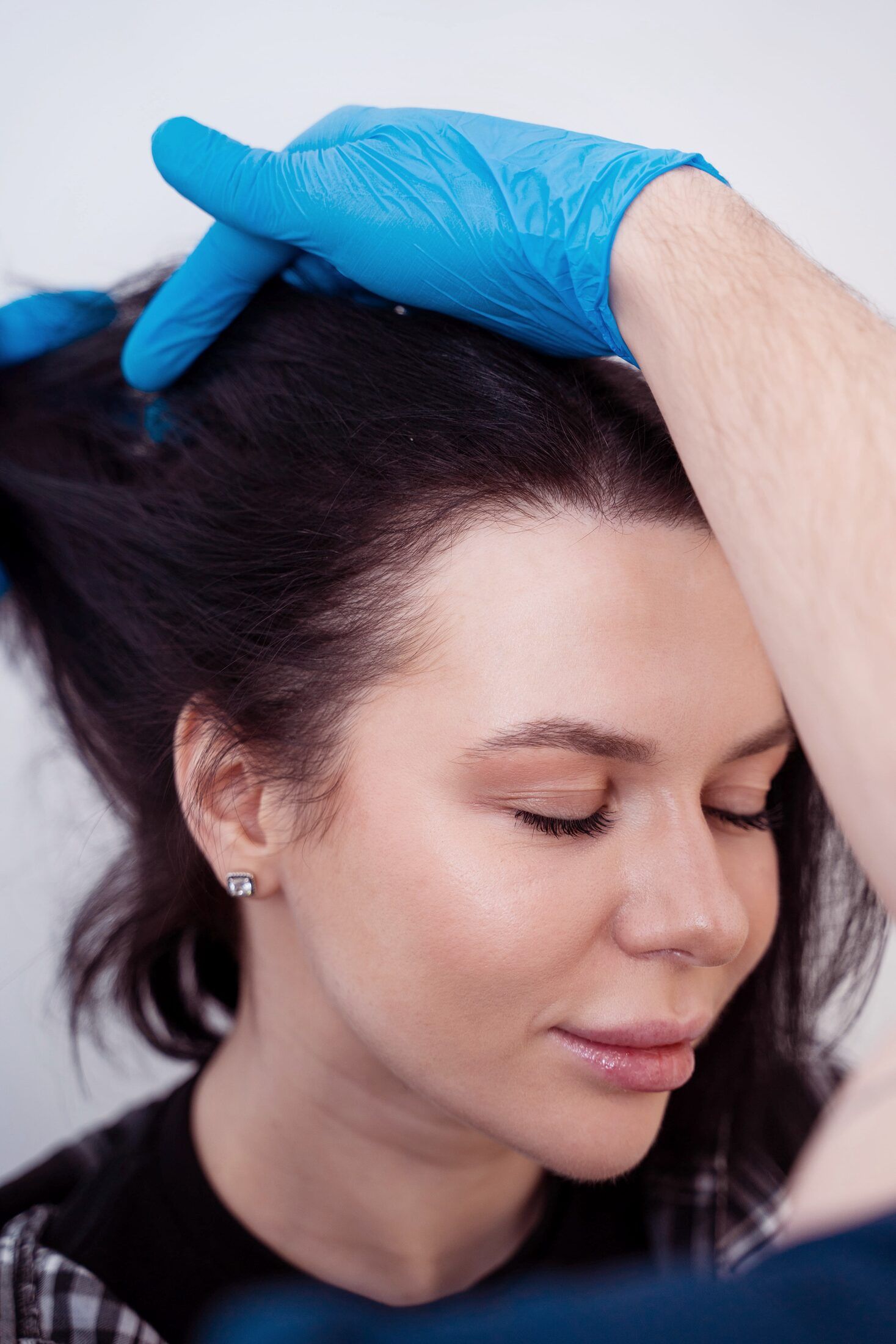
PRP can be applied on its own in people whose hair loss has only recently begun, or as a supporting treatment alongside a hair transplant.
Your doctor decides which is suitable for you, and how many sessions are needed, after an examination.
Who is it for?
- Women and men whose hair is thinning or starting to become sparse
- People who want to support recovery after a hair transplant
- People whose hair loss has only recently begun and for whom a hair transplant is still too early
- People without a blood disorder, active infection or any other condition the doctor considers a contraindication
Your doctor decides on suitability after an examination.
The process, step by step
Before the treatment
Assessment
The cause of your hair loss and the condition of your scalp are assessed; your doctor decides whether PRP is suitable for you.
Treatment day
Preparing the blood
A small amount of blood is taken from your arm and separated in a centrifuge to obtain platelet-rich plasma.
Treatment day
Application to the scalp
The prepared plasma is applied with fine needles to the thinning areas of the scalp.
Sessions
Repeat sessions and follow-up
PRP is usually planned as a course of several sessions; your doctor determines the number of sessions and the interval between them.
Recovery timeline
Treatment day
Mild redness and tenderness may occur in the treated area; most people return to their daily routine the same day.
The following day
You are told when you can wash your hair.
Throughout the sessions
The changes in your hair and scalp are assessed together at check-ups.
Timings vary from person to person; your doctor will give you your own timeline.
PRP or mesotherapy?
| PRP | Hair mesotherapy | |
|---|---|---|
| What is applied | Plasma prepared from the person's own blood | A prepared mixture of vitamins, minerals and active ingredients |
| Preparation | Blood is taken and separated at each session | No blood is taken |
| Application | To the scalp with fine needles | To the scalp with fine needles |
| Sessions | Several sessions at intervals planned by the doctor | Several sessions at intervals planned by the doctor |
Frequently asked
All questionsWhat is PRP?
A small amount of blood taken from your arm is separated in a centrifuge, and the platelet-rich plasma is applied to the scalp with fine needles. Because it is prepared from your own blood, no foreign substance is used.
How many PRP sessions are needed?
PRP is usually planned as a series of sessions; your doctor decides the number and the interval after an examination.
Can I go back to work after PRP?
There may be mild redness and tenderness where it was applied; most people return to their day the same day. You will be told when you can wash your hair.
Does PRP replace a hair transplant?
PRP can be used on its own when hair loss has only just begun, or alongside a hair transplant as support; it does not replace a transplant where bald areas have formed. Your doctor decides which is right for you.
Ask about your own case.
Send photos of your hair on WhatsApp and we will talk through the method that suits you.
Other services
- FUE Hair Transplant Follicles are harvested one by one from the nape with a micromotor and transplanted to thinning areas, without incisions or stitches.
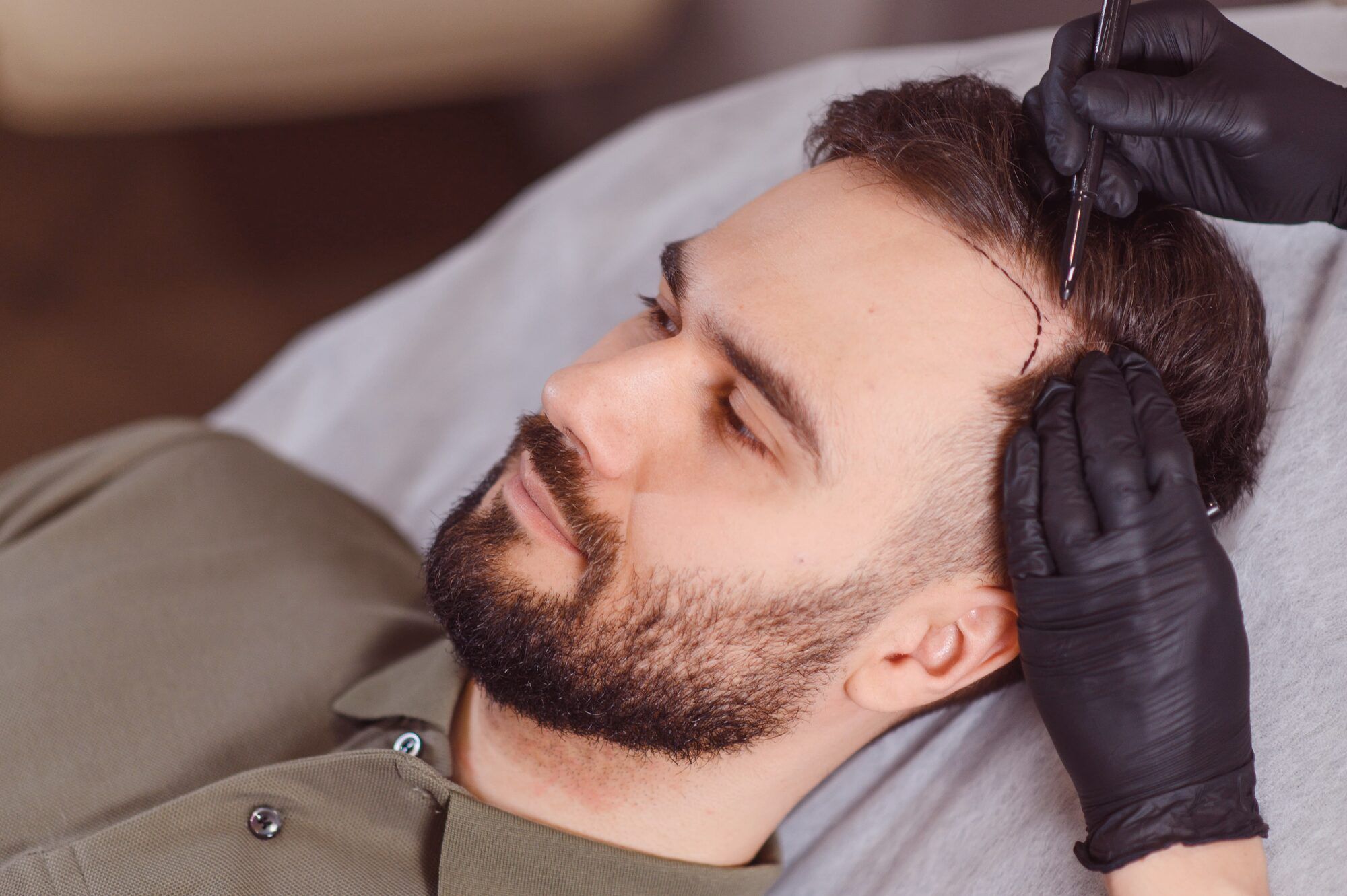
- Sapphire FUE Natural results obtained with FUE are improved further by using a special sapphire-tipped crystal channel opener.
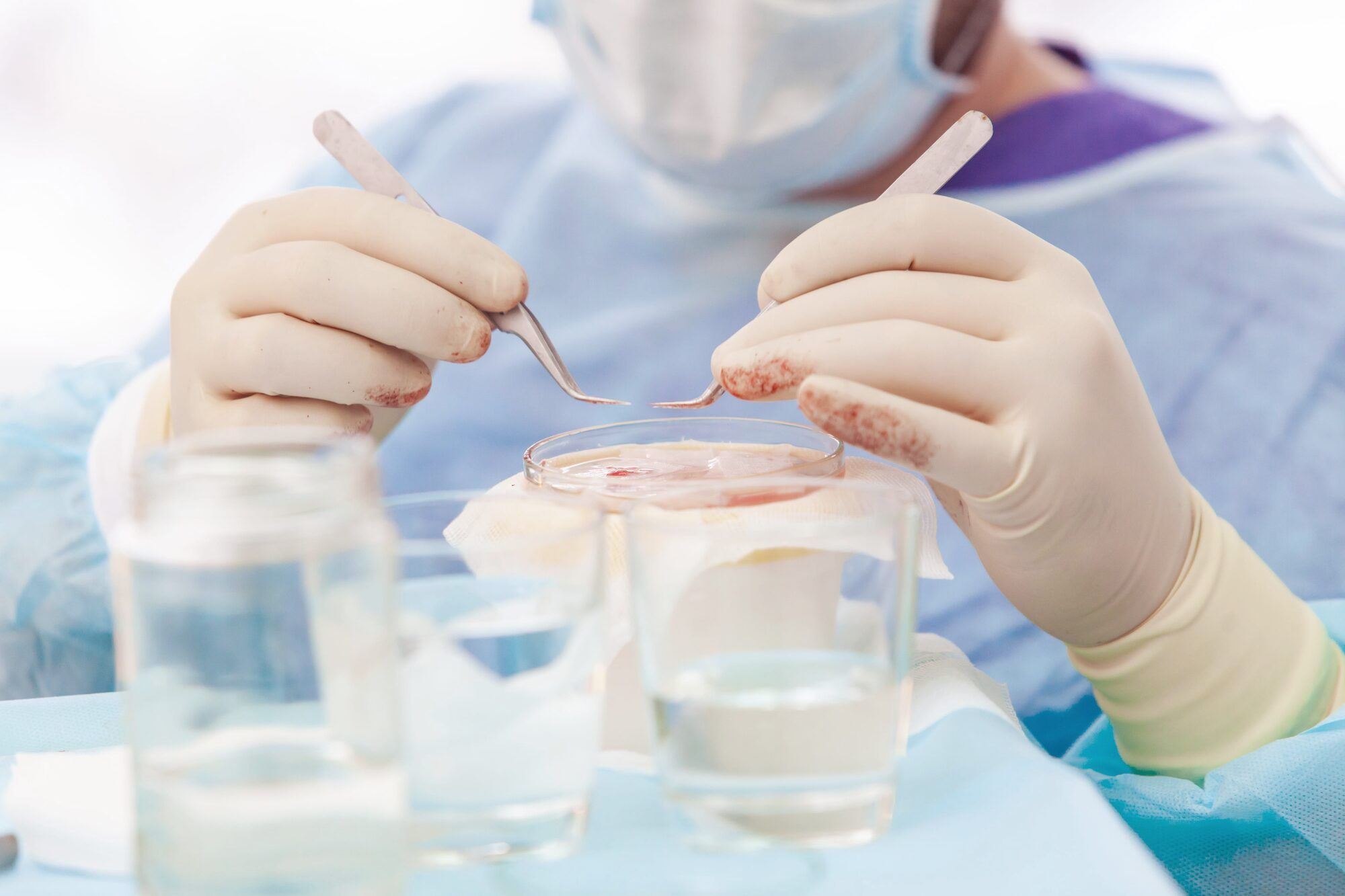
- DHI Hair Transplant Known as an advanced version of classic FUE. Follicles are implanted right after harvesting with special pens, without opening channels first.
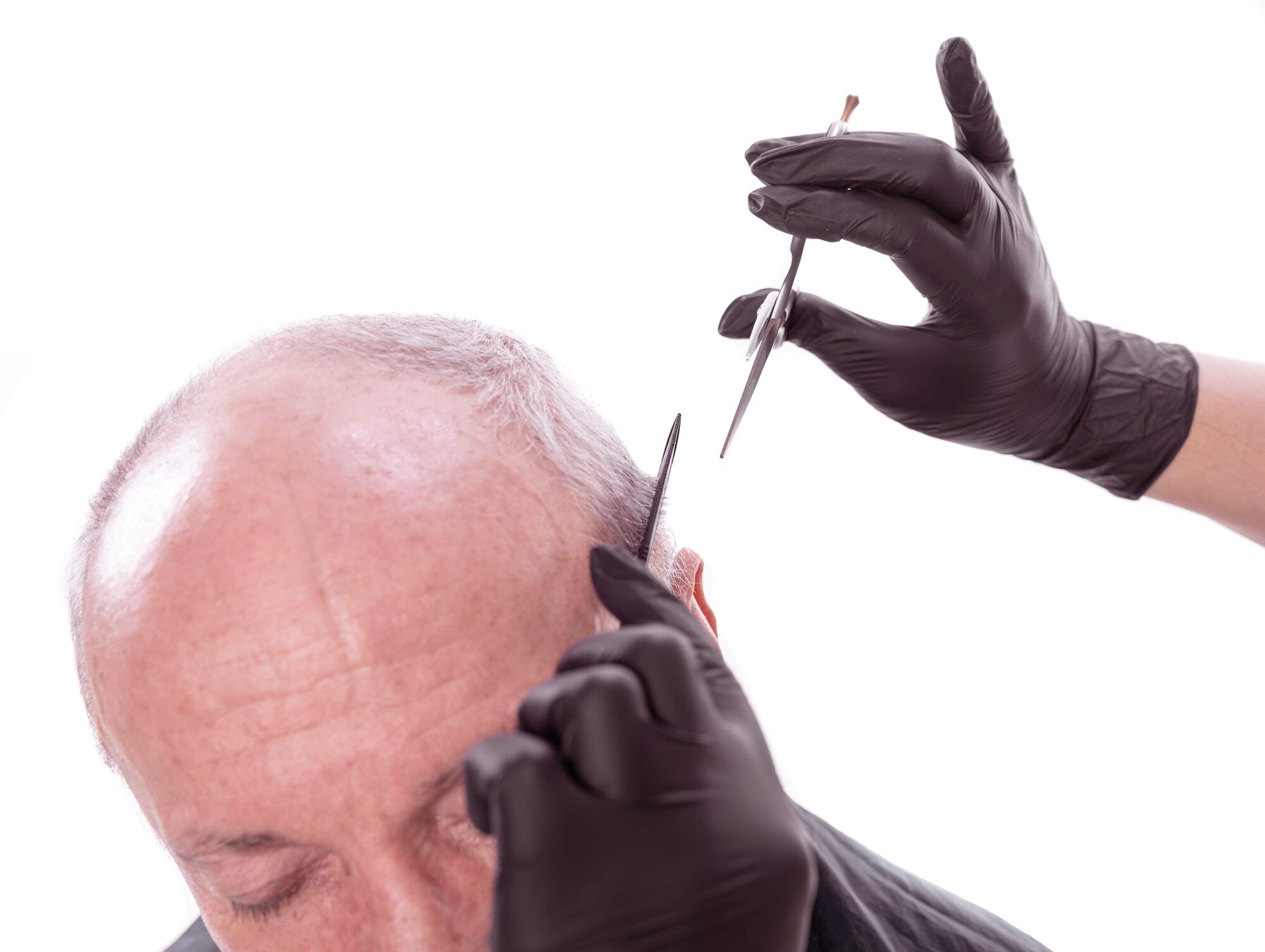
- Beard & Moustache Transplant Beard and moustache transplantation is applied for men with beard or moustache loss.
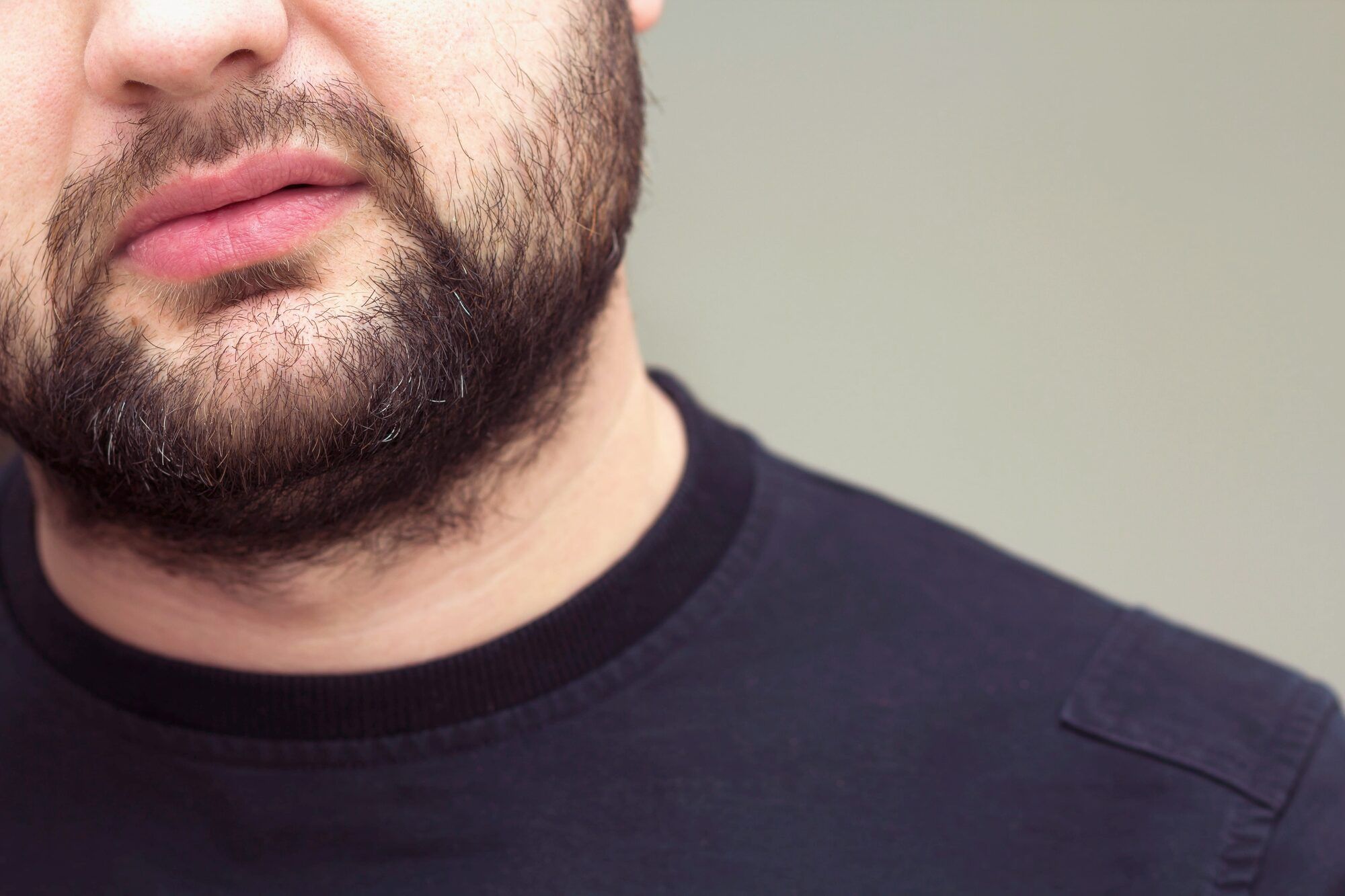
- Eyebrow Transplant Eyebrow transplantation moves follicles from a donor area to lost, sparse or thin eyebrows.
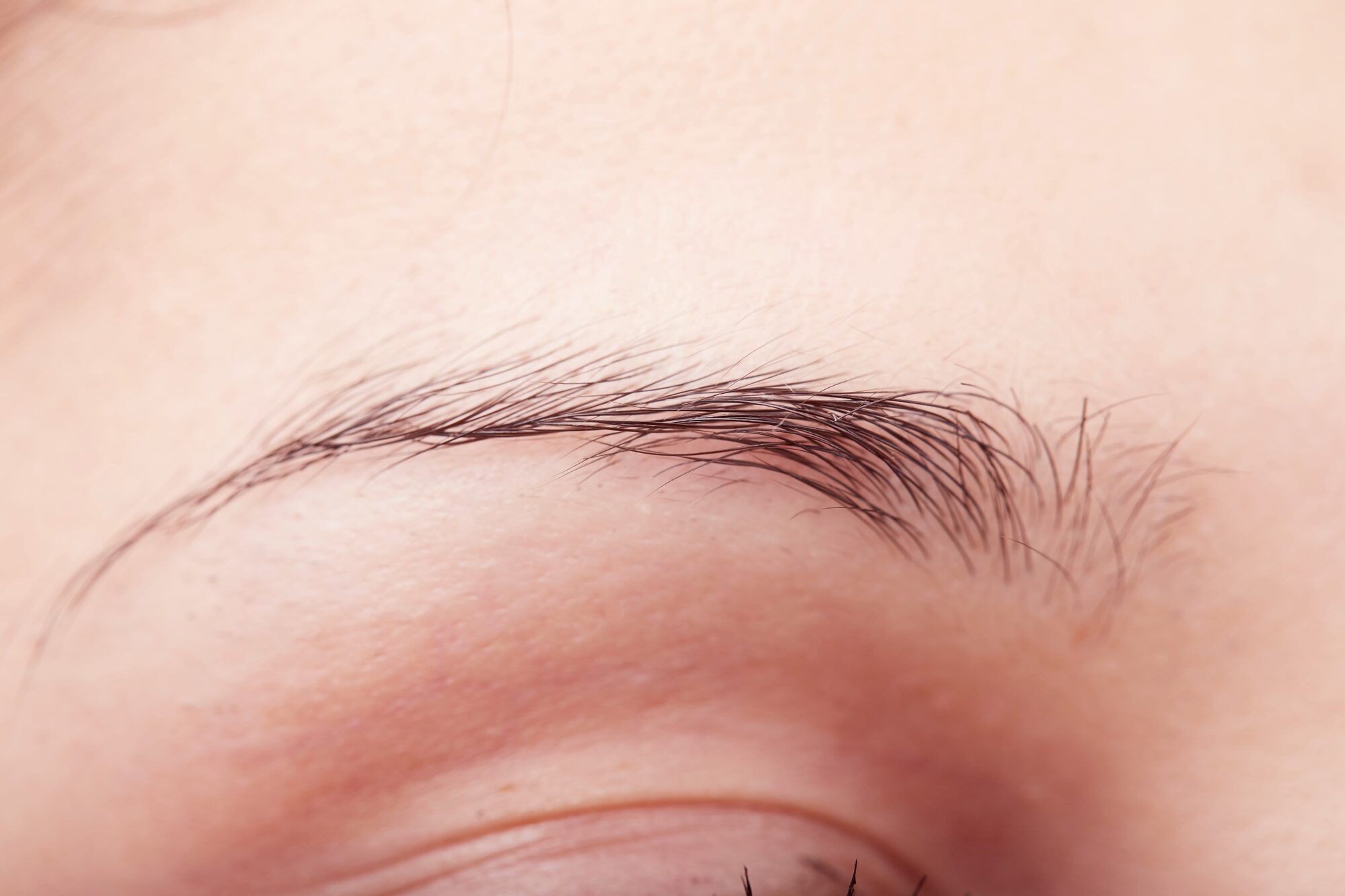
- Hair Mesotherapy Mesotherapy is the intradermal injection of pharmacological agents into the scalp.
Let us call you.
Leave your details and our team will get back to you at a time that suits you.