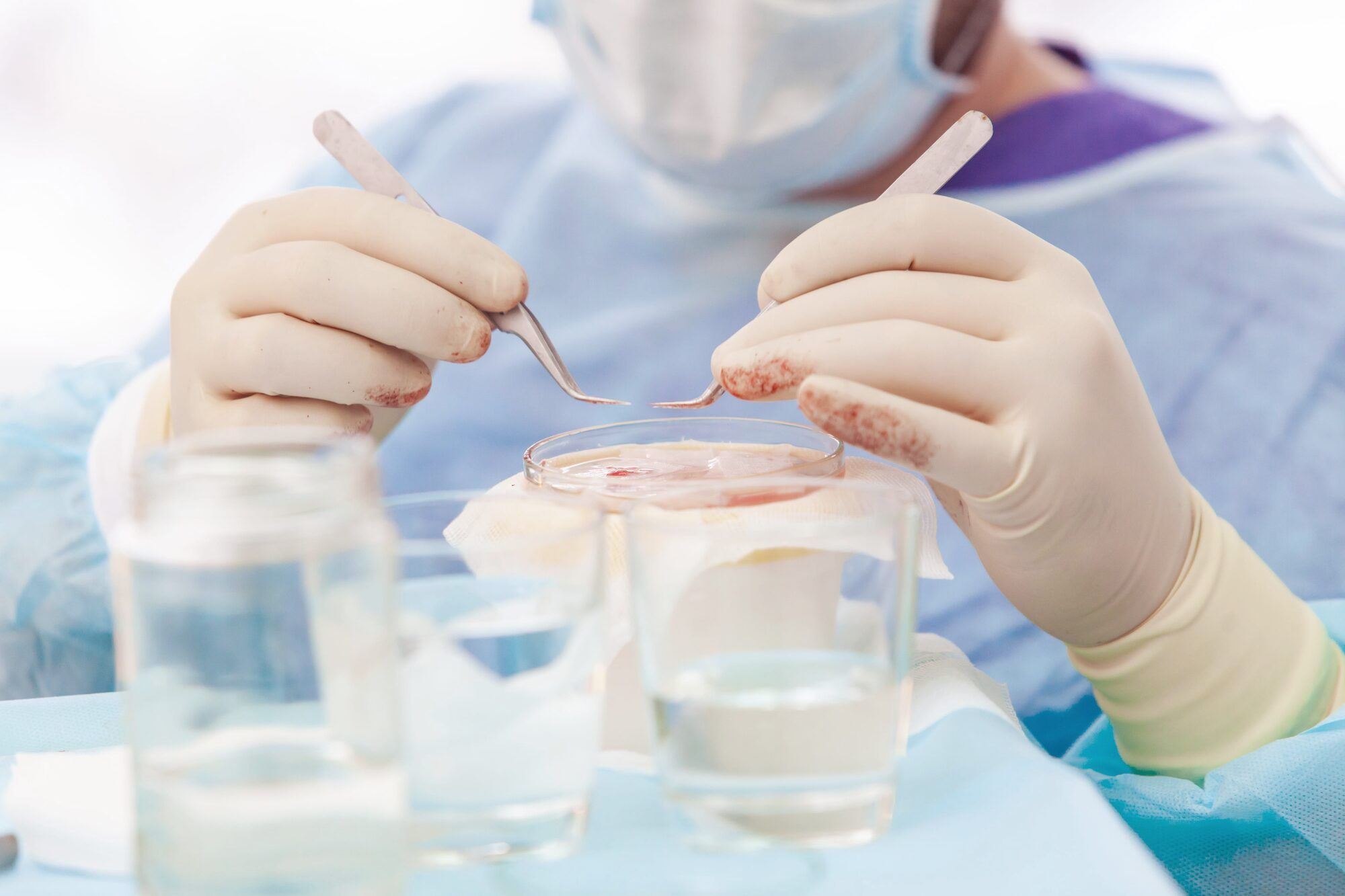
Sapphire FUE
Natural results obtained with FUE are improved further by using a special sapphire-tipped crystal channel opener.
Sapphire FUE is a technique that changes one step of the classic FUE method: hair follicles are still harvested one by one from the nape with a micromotor, but the channels into which the follicles are placed are opened with blades made of sapphire crystal instead of steel blades.
Because sapphire blades are very sharp and smooth, the channels can be opened smaller and more evenly. This puts less strain on the tissue in the recipient area, allows the channels to be opened closer together, and makes denser implantation possible to plan.

How is Sapphire FUE performed?
The procedure is carried out under local anaesthesia in the operating environment of our partner hospital.
First, the hair follicles (grafts) in the donor area are harvested one by one with a micromotor and kept in a suitable solution. Channels are then opened with sapphire blades in the area to be transplanted; the angle and direction of the channels are determined according to the natural growth direction of your hair. In the final stage, the grafts are placed into these channels.
The direction and density of the channels are the most decisive factors in how natural the result looks. This is why the hairline is planned together with you, according to your face, before the procedure.
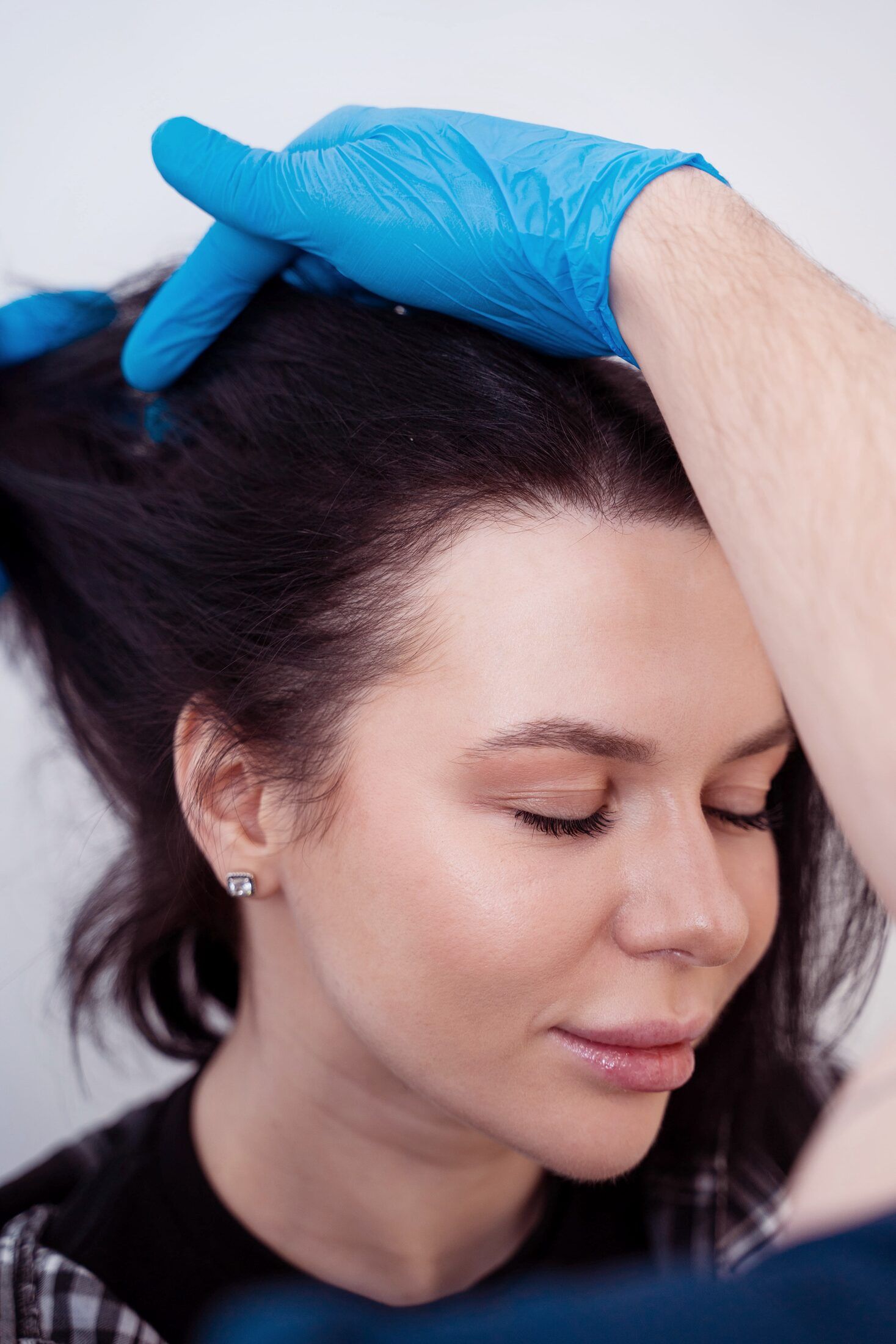
The difference between Sapphire FUE and classic FUE
In both methods the hair follicles are harvested in the same way; the only difference is at the channel-opening stage.
Your doctor decides which one is suitable for you by assessing the structure of your hair and the size of the area to be transplanted.
Who is it for?
- People whose hair loss has settled into a stable pattern, with a clearly defined area of loss
- People with sufficient, strong hair follicles at the nape and behind the ears
- People with thinning at the hairline, the crown, or both
- People who have had a hair transplant before and want to increase density
- People whose general health is suitable for a procedure under local anaesthesia
- People aiming for a natural hairline and a dense appearance
Your doctor decides on suitability after an examination.
The process, step by step
Before the procedure
Assessment and planning
The condition of your hair and your donor area is assessed. The hairline is drawn together with you according to your facial proportions, and the number of grafts needed is determined.
Preparation
Getting ready for the procedure
You tell the doctor about any medication you take; blood-thinning medication and alcohol are stopped for the period the doctor specifies. On the day of the procedure, comfortable clothing that buttons at the front is preferred.
Procedure day
Harvesting and implantation
Local anaesthesia is applied. Hair follicles are harvested one by one with a micromotor, then placed at the correct angle and direction into channels opened with sapphire blades.
Afterwards
Washing and follow-up
The first wash and the care steps are explained to you one by one. Your progress is followed together over the months through check-up appointments.
Recovery timeline
First days
Mild redness and crusting may appear in the recipient area; the crusts come away with regular washing.
First weeks
Some of the transplanted hairs may shed. This is temporary; the follicles stay in place.
Within a few months
New hairs begin to grow in fine and thicken over time.
Around one year
The hair approaches its final density and natural appearance.
Timings vary from person to person; your doctor will give you your own timeline.
Sapphire blade or steel blade?
| Sapphire blade | Steel (slit) blade | |
|---|---|---|
| Blade used to open channels | Sapphire crystal, smooth and sharp | Stainless steel |
| Shape of the channel | V-shaped, smaller channels | Straight slit-shaped channels |
| Aim | Less tissue trauma, dense implantation | Standard FUE implantation |
| Harvesting method | FUE in both: follicles are harvested one by one | FUE in both: follicles are harvested one by one |
Frequently asked
All questionsHow long does hair transplantation take?
It takes 6–10 hours depending on the number of grafts to be implanted; more grafts take longer, fewer grafts take less time.
Does the patient feel pain during the procedure?
The area is numbed with local anaesthesia, so the patient does not feel pain.
Does the donor area get thinner?
No. Only one in ten grafts is taken from that area, so it does not thin out.
How many grafts are harvested per operation?
4,000–6,000 grafts can easily be harvested, and more if the donor area is dense.
How natural is the result?
Hair is implanted in the direction of your original hair, so the result looks natural.
Is there pain after the operation?
A simple painkiller on the first night is enough. No pain is felt in the following days.
When does the transplanted hair start to grow?
Most transplanted hair falls out within 30 days (shock loss). It starts growing from the third month, and by the end of the first year all hair has grown.
Will people notice I had a hair transplant?
It is noticeable for the first 3 days. Hair is washed for 7 days from day 3, and by day 10 it simply looks like a short haircut.
When can I go back to work?
You can return the next day, but we recommend resting on the first day after the operation.
Will my hair be dense enough?
We harvest and implant as many grafts as you need from between and above the ears, so it will be dense enough.
Ask about your own case.
Send photos of your hair on WhatsApp and we will talk through the method that suits you.
Other services
- FUE Hair Transplant Follicles are harvested one by one from the nape with a micromotor and transplanted to thinning areas, without incisions or stitches.
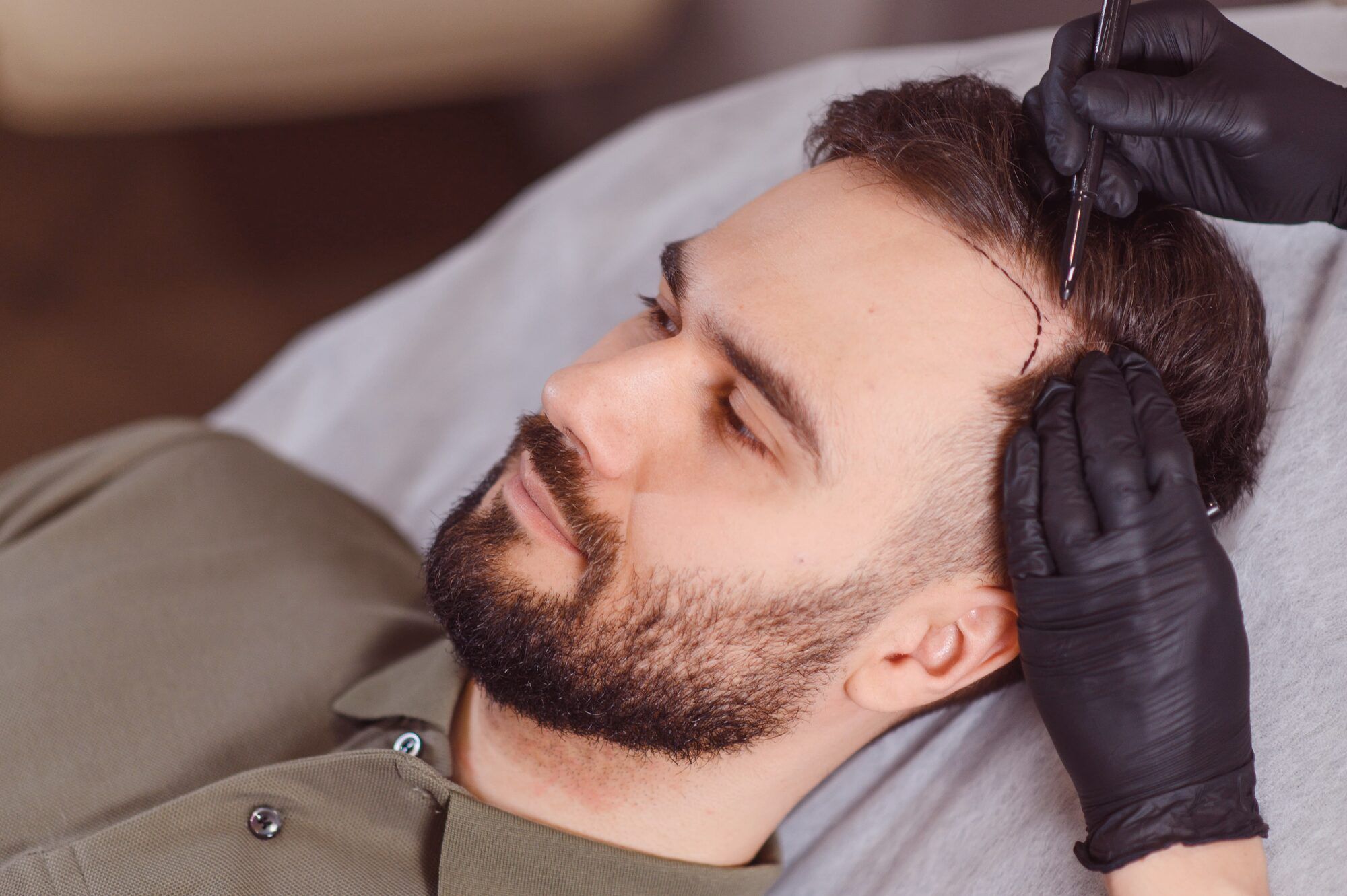
- DHI Hair Transplant Known as an advanced version of classic FUE. Follicles are implanted right after harvesting with special pens, without opening channels first.
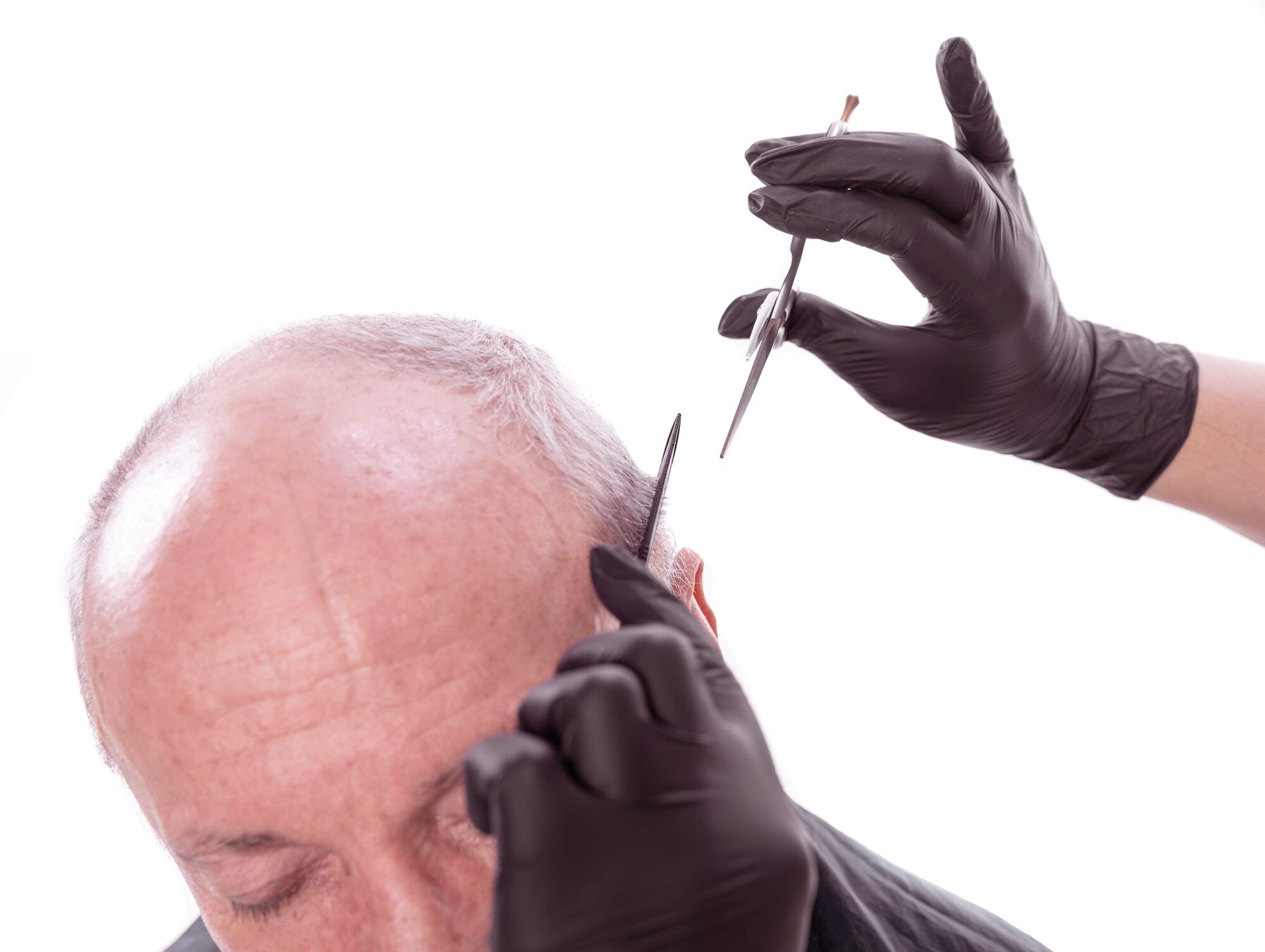
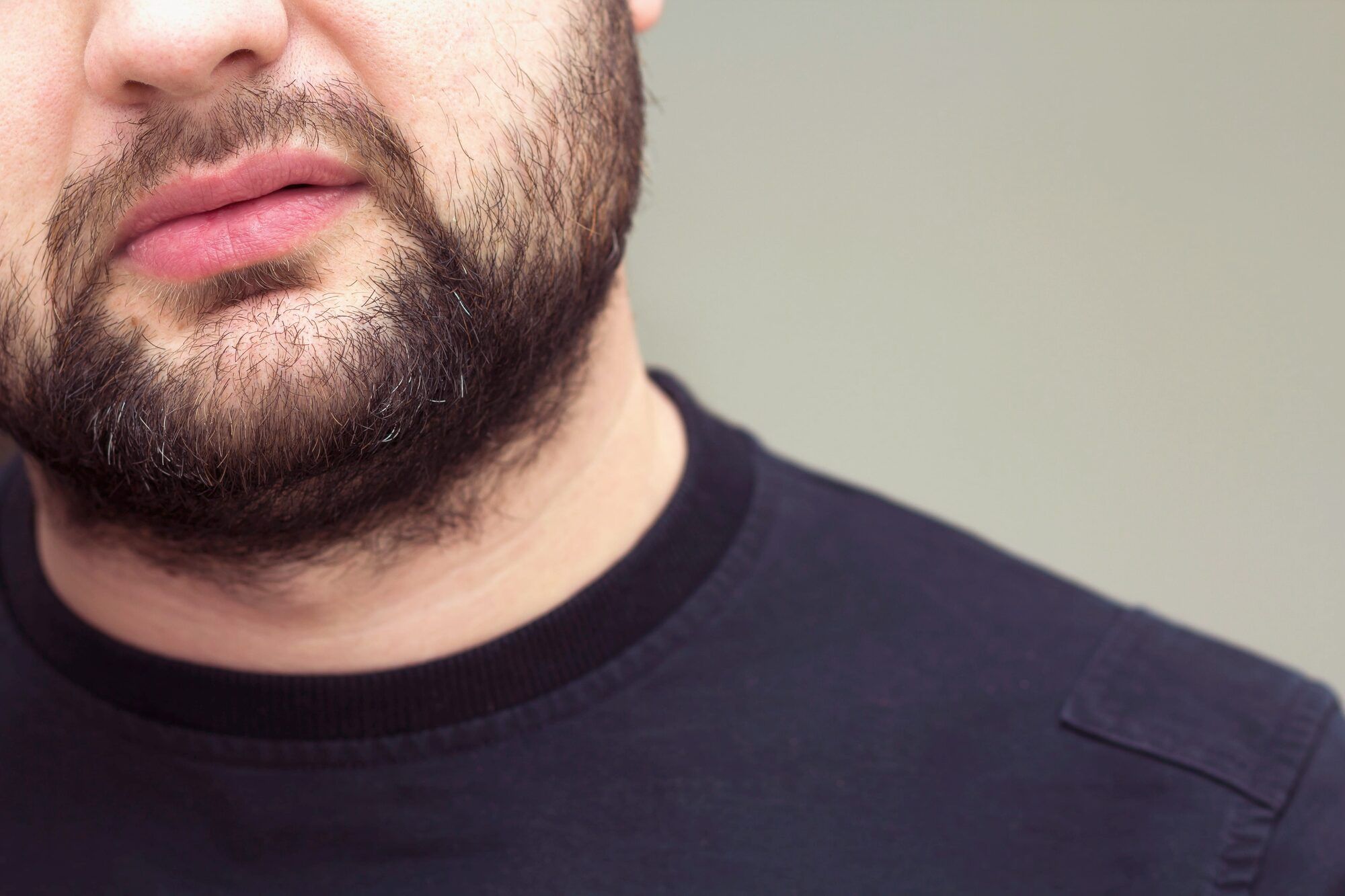
- Beard & Moustache Transplant Beard and moustache transplantation is applied for men with beard or moustache loss.
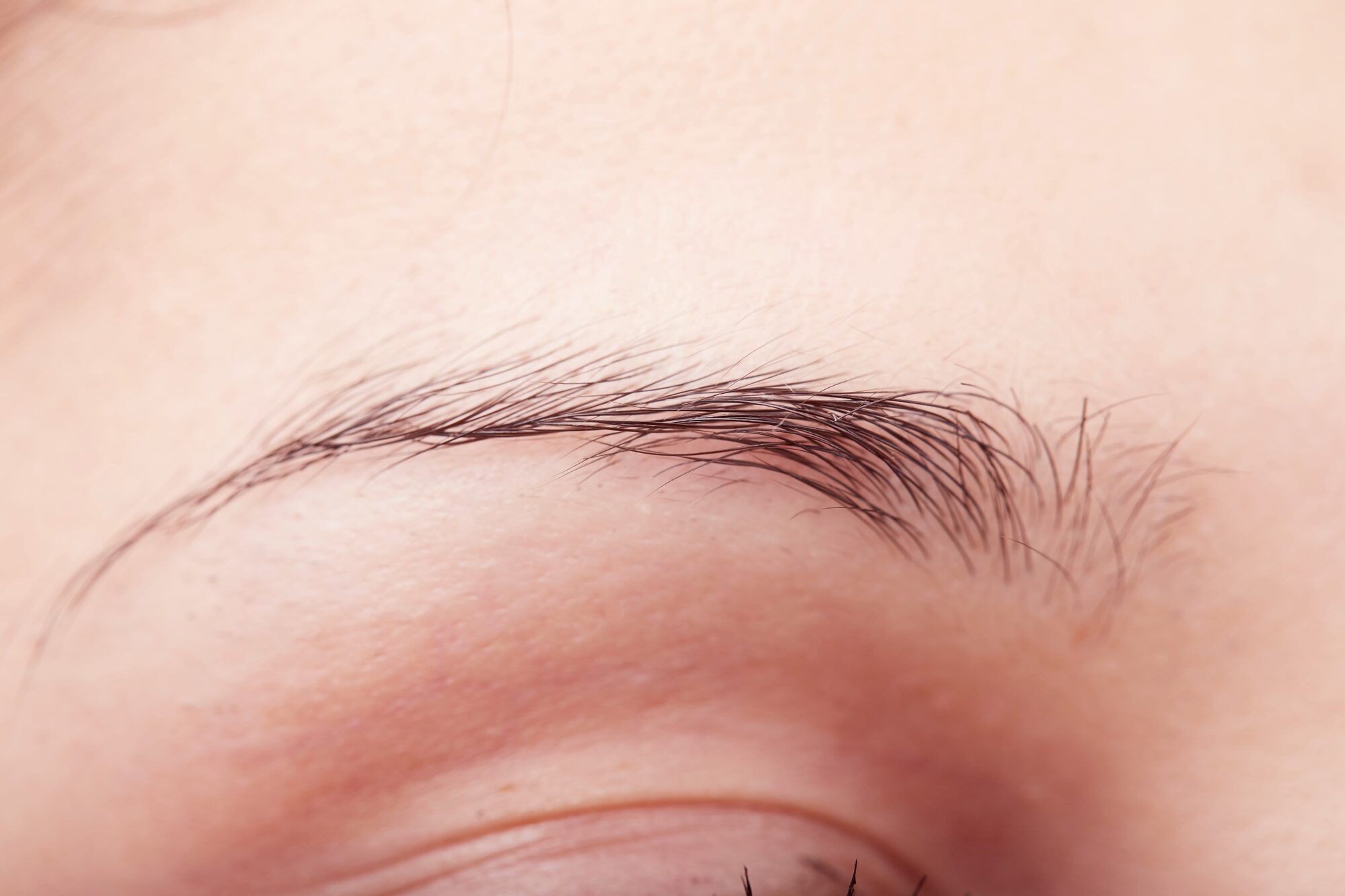
- Eyebrow Transplant Eyebrow transplantation moves follicles from a donor area to lost, sparse or thin eyebrows.
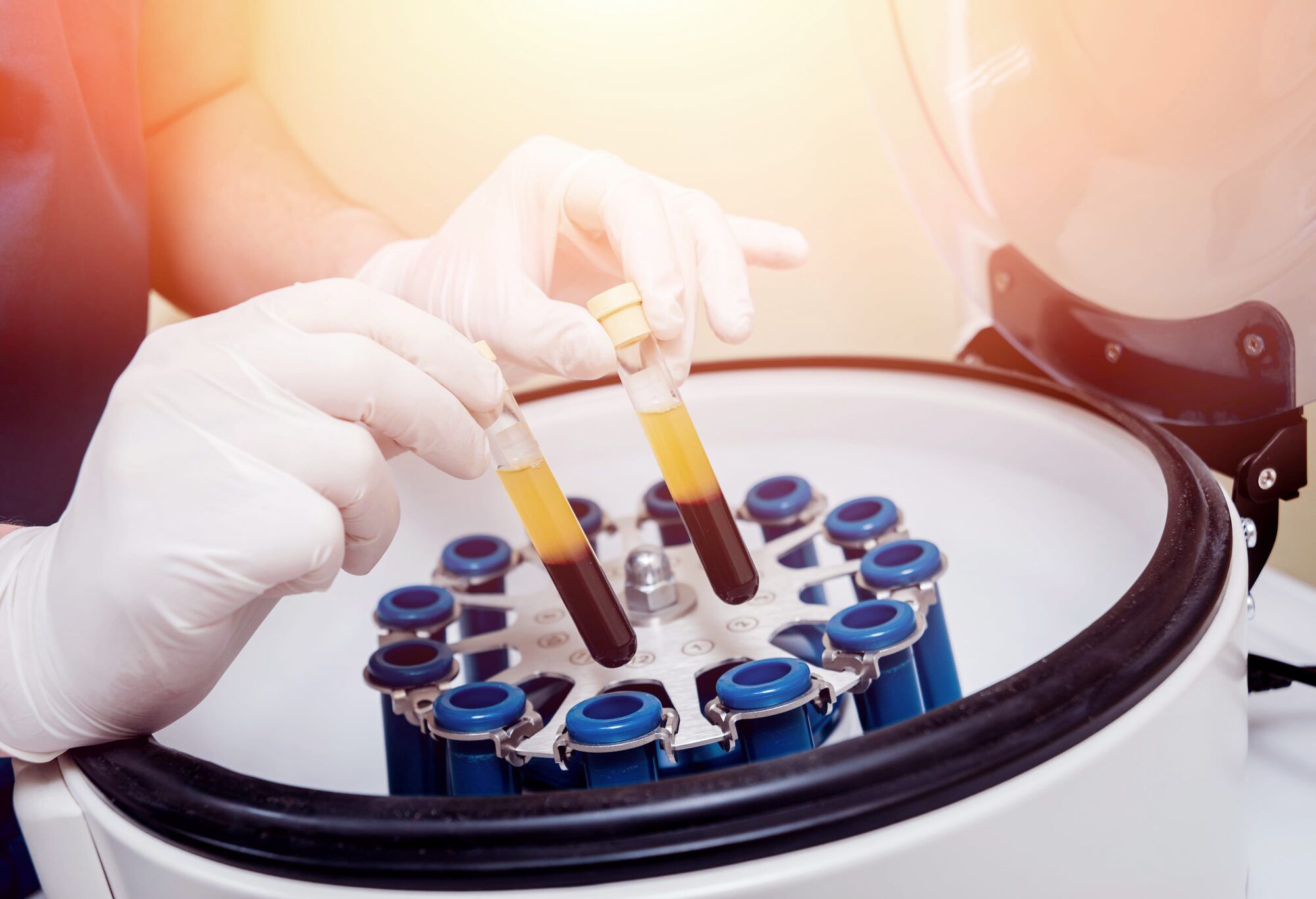
- PRP Hair Treatment PRP is a small amount of the patient’s own blood, separated by centrifuge and enriched in platelets.
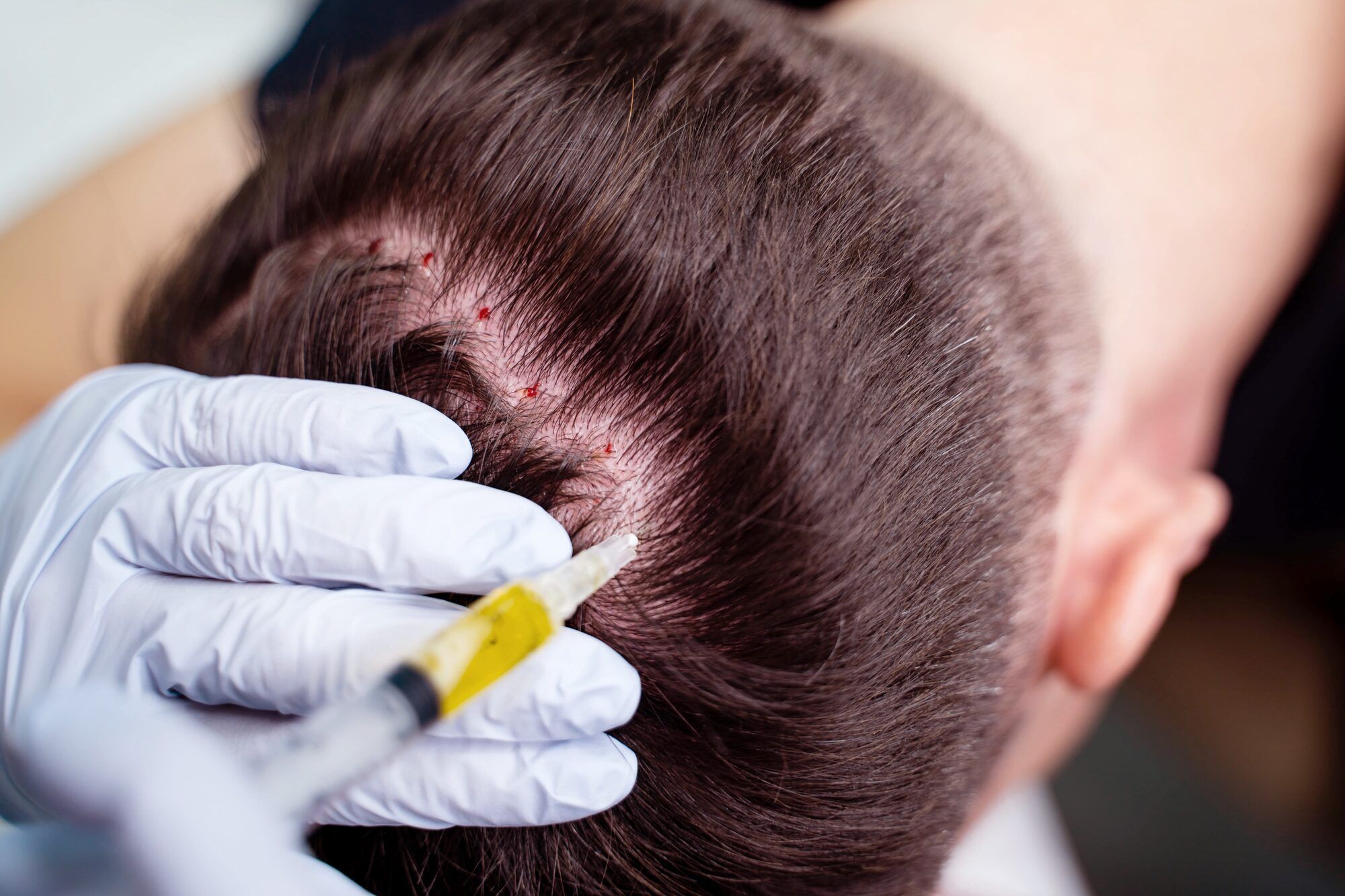
- Hair Mesotherapy Mesotherapy is the intradermal injection of pharmacological agents into the scalp.
Let us call you.
Leave your details and our team will get back to you at a time that suits you.